

The outbreak, caused by the intestinal parasite Cyclospora, has affected people in at least 34 states, with the largest concentration of cases reported in southeastern Michigan and nearby areas. The Centers for Disease Control and Prevention (CDC) said investigators have identified a likely epidemiological link among cases in Michigan, Ohio, West Virginia and Kentucky.
Federal officials have not identified a confirmed food source or a specific supplier connected to the outbreak. According to the CDC, confirmed domestic cases reported to the agency reached 1,645, while more than 5,100 additional reports require further analysis. State figures have been higher because some states report probable and confirmed cases before they appear in federal totals.
Taco Bell Removes Fresh Ingredients as Investigation Continues
Federal and state investigators are examining whether Taco Bell restaurants may have played a role in part of the outbreak, according to people familiar with the investigation. The individuals said some people who became ill reported eating at Taco Bell, while others who developed cyclosporiasis had not visited the chain, indicating that the investigation extends beyond the restaurant company.
Taco Bell said it is monitoring the situation and following guidance from public health authorities. The company stated that officials have not confirmed a link to Taco Bell, any specific ingredient, supplier, restaurant or retailer.
Several Detroit-area Taco Bell locations temporarily removed ingredients including lettuce, cilantro onion, pico de gallo and guacamole after notices informed customers that the items were unavailable because of a nationwide recall, according to media reports. The company described the move as a voluntary precaution while authorities continue their review.
One person familiar with the national investigation said Taco Bell’s decision to remove several fresh ingredients was an appropriate safety measure.

Lettuce Remains a Suspected Source in Michigan Cases
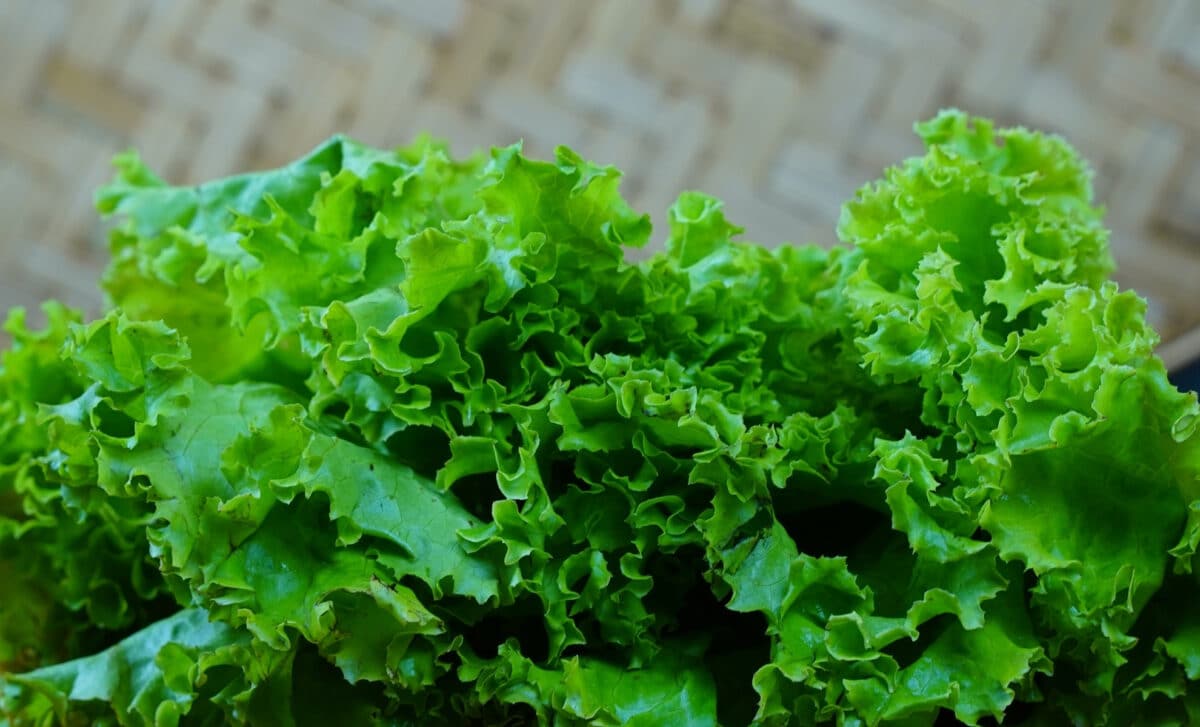
Michigan has recorded the highest number of reported illnesses, with more than 3,300 cases as of Tuesday. The Michigan Department of Health and Human Services said leafy lettuce is the leading suspected source based on interviews with more than 1,000 patients.
“While the investigation is ongoing, current results point to lettuce or salad greens as a potential source for this outbreak, although other food items cannot be completely ruled out,” the department said in a statement.
According to the Food and Drug Administration’s acting deputy commissioner for food, Don Prater, investigators are continuing traceback work involving multiple produce items, including lettuce. Federal officials said they have not confirmed a specific produce grower or supplier responsible for the illnesses.
Natasha Bagdasarian, Michigan’s chief medical executive, said early information showed lettuce was a common product mentioned during interviews. She said health officials wanted residents to know what had been identified so far while the investigation continued.
Health Officials Face Challenges Tracing Cyclospora Infections
The CDC issued a national health alert urging clinicians and public health officials to consider cyclosporiasis in patients with prolonged gastrointestinal symptoms and to request specific testing. The parasite is not usually included in routine testing for gastrointestinal illnesses.
Cyclospora infections commonly cause watery diarrhea, frequent bowel movements and sometimes “explosive” diarrhea, according to the CDC. The parasite is usually contracted through contaminated food or water and is not spread from person to person. Some infected people do not develop symptoms.
According to Gwen Biggerstaff, deputy director of the CDC’s division of foodborne, waterborne and environmental diseases, states are reporting an unusually high number of cyclosporiasis cases. She explained that investigators combine information about what people ate, where they traveled, laboratory results and genetic data while working with the FDA to identify links between cases.
Tracing Cyclospora outbreaks is difficult because symptoms can appear after a delay, making it harder for people to remember foods they consumed before becoming ill. Health officials also said some infections may not be counted because people recover without medical care or testing.
Biggerstaff said investigators do not have the rapid DNA fingerprinting tools used for many bacterial outbreaks, which makes cyclosporiasis investigations slower and less precise. She said some outbreaks may never have a confirmed source.
Cyclosporiasis cases occur throughout the year in the United States but are most common from May 1 through Aug. 31. Previous outbreaks have been linked to fresh produce including basil, raspberries, salad mixes, cilantro and snow peas.
Public health officials also raised concerns about limited resources affecting outbreak responses. Michigan officials cited older data systems, staffing shortages and competing public health demands, including monitoring travelers returning from countries with Ebola cases, preparing for World Cup games, and responding to measles and other vaccine-preventable disease outbreaks.
Federal officials continue to advise consumers to wash hands and rinse fresh produce under running water before eating, cutting or cooking. The investigation remains active as health agencies work to determine whether a common source connects the reported illnesses.