The United States has put forward new import tariffs targeting 60 countries and trading blocs, citing widespread failures to prevent goods produced with forced labour from entering global markets. The move, announced by the US Trade Representative (USTR) on 2 June 2026, could affect consumers and businesses across several continents.
Under Section 301 of the Trade Act of 1974, the USTR has determined that the acts and policies of each investigated economy “burden or restrict US commerce” by allowing forced-labour goods to undercut American producers. The proposal follows formal investigations launched in March 2026, during which the agency received testimony from nearly 60 witnesses and approximately 500 written comments.
A Two-Tier Tariff Structure Tied to Enforcement
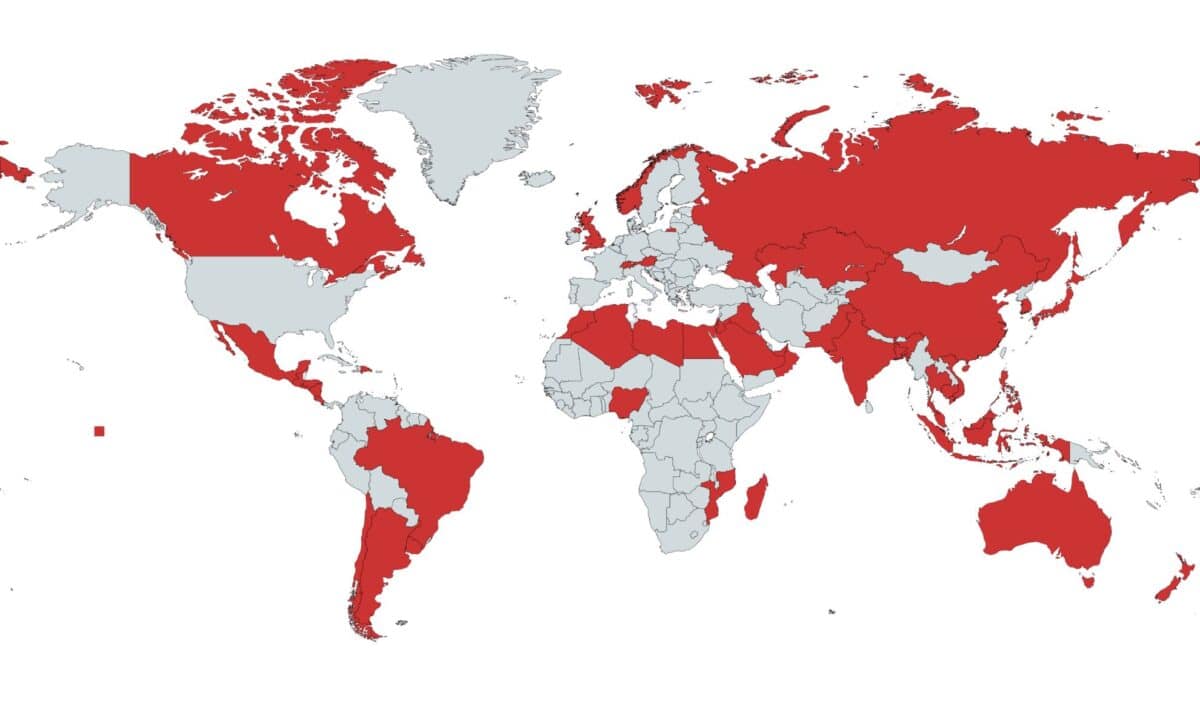
The proposed framework establishes two rates depending on a country’s existing labour import controls. Economies that already impose some form of forced-labour import prohibition (or have committed to one through a reciprocal trade agreement) face an additional duty of 10 per cent. Those with no such protections in place would be subject to a higher rate of 12.5 per cent.
Ambassador Jamieson Greer, the US Trade Representative, said the current situation was “unacceptable,” stating that American workers were being “forced to compete globally on an unlevel playing field.” Six economies (including Canada, the European Union, Mexico, Indonesia, Ecuador and Pakistan) were found to have partial protections in place but still failing to enforce them effectively, placing them in the lower-rate category. The remaining 54 economies, among them China, Japan, India, the United Kingdom, Brazil and Australia, were found to have no such prohibitions at all.
The proposal also includes a textile mechanism that would permit a specified volume of apparel and textile imports from certain economies to enter the US at a reduced tariff rate, though full details have not yet been published.
Consumers May Feel the Effects, but Not Immediately
Economists broadly note that tariffs function as taxes on imports, with costs frequently passed through supply chains to retailers and, ultimately, to shoppers. Products potentially exposed to higher prices include electronics, clothing, household goods and automotive parts, according to reports.
For the moment, however, no tariffs have taken effect. The proposal remains in a formal public consultation phase. Written comments are due by 6 July 2026, with public hearings scheduled the following day. That timetable means the final scope, implementation date and any exemptions remain subject to change.
Past US tariff rounds have shown that price changes typically take weeks or months to materialise, as businesses adjust sourcing arrangements and pricing strategies. Some companies may absorb a portion of the increased costs, while others could shift production to countries not covered by the new duties.
The USTR has not yet confirmed when a final decision will be published, and policymakers have indicated that the public feedback process may influence the shape of any eventual action.