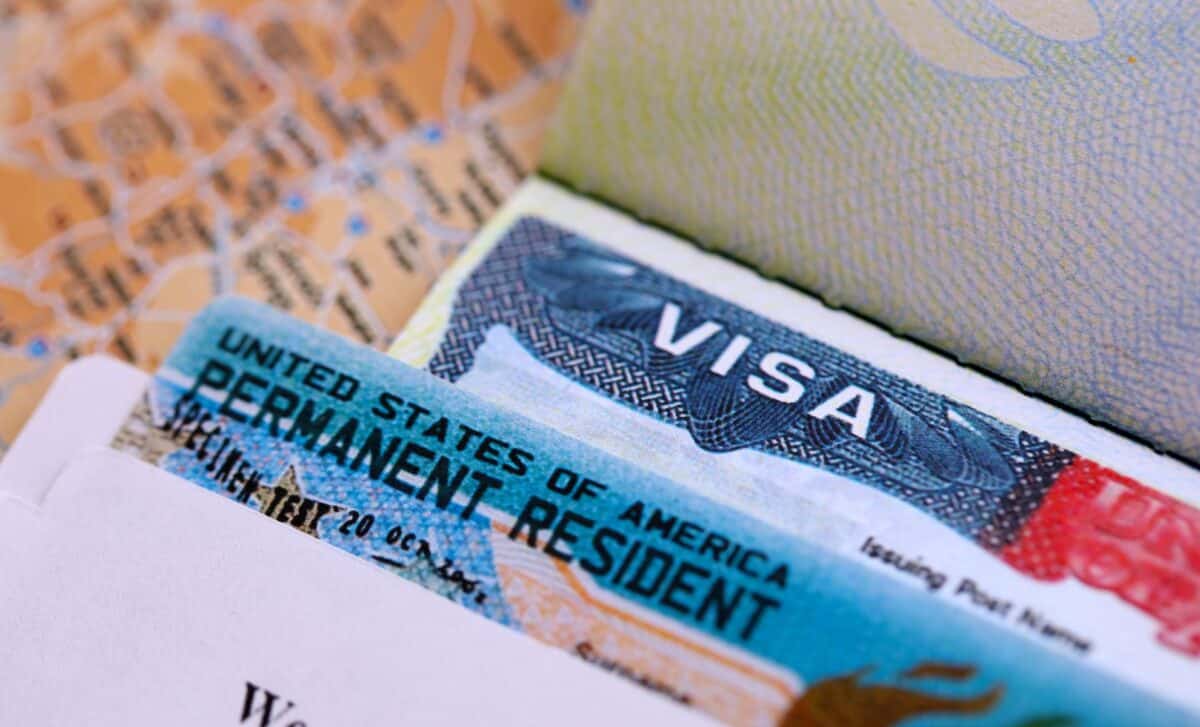
A recent policy adjustment by the U.S. Department of Homeland Security has allowed foreign physicians to resume visa processing after months of uncertainty. The change reverses a freeze tied to a broader travel restriction that had halted immigration decisions for nationals from dozens of countries.
The development comes amid growing concern over the United States’ reliance on internationally trained doctors. Healthcare providers and medical organizations had warned that the earlier suspension risked deepening existing workforce shortages, particularly in underserved regions.
Visa Freeze Lifted for Physicians Amid Quiet Policy Revision
The Department of Homeland Security confirmed that applications involving medical physicians will continue to be processed, effectively exempting them from a broader immigration pause. According to reports, the initial restriction stemmed from a presidential proclamation issued in December 2025 and expanded an earlier travel ban affecting multiple countries.
The policy had frozen decisions on visa extensions, work permits, and green cards for individuals from 39 nations. While it did not immediately impact those already working in the United States, many physicians awaiting renewals were left in limbo. According to The New York Times, some doctors were placed on administrative leave, while others faced the possibility of losing their positions entirely.
The update from U.S. Citizenship and Immigration Services was made without a formal public announcement. According to statements cited by The New York Times, the agency clarified that it would resume issuing visas and work permits for physicians, allowing affected individuals to continue their medical practice.
The reversal follows mounting pressure from the medical community. In an April 8 letter referenced by both Newsweek and The New York Times, more than 20 healthcare organizations expressed “urgent concern” about barriers preventing qualified physicians from entering or remaining in the country. The groups called for expedited processing and a national-interest exemption for medical professionals.
Foreign-Trained Doctors Remain Vital to Us Healthcare System
International medical graduates play a significant role in the U.S. healthcare workforce. According to Newsweek, approximately 23 percent of licensed physicians in the country were trained abroad, with nearly two-thirds serving in underserved areas.
The reliance on foreign-trained doctors is particularly pronounced in primary care. According to The New York Times, more than 60 percent of these physicians work in fields such as family medicine, internal medicine, and pediatrics, specialties that often face staffing challenges due to demanding workloads and comparatively lower compensation.
Workforce shortages have been well documented. According to the Association of American Medical Colleges, cited in both sources, the United States is currently short about 65,000 physicians. Projections indicate that this gap could grow significantly in the coming years as the population ages and more doctors retire.
The impact is especially severe in rural areas. Federal data referenced by Newsweek suggests that nonmetropolitan regions face far greater shortages than urban centers, leaving many communities with limited access to care. Around one in five Americans lives in areas with too few primary care providers.
Recent disruptions underscored these vulnerabilities. According to The New York Times, hundreds of doctors nearing the completion of their training were at risk of losing placements in underserved regions, while others already employed faced sudden interruptions to their work. The policy adjustment is expected to stabilize staffing in the short term, though broader workforce challenges remain unresolved.