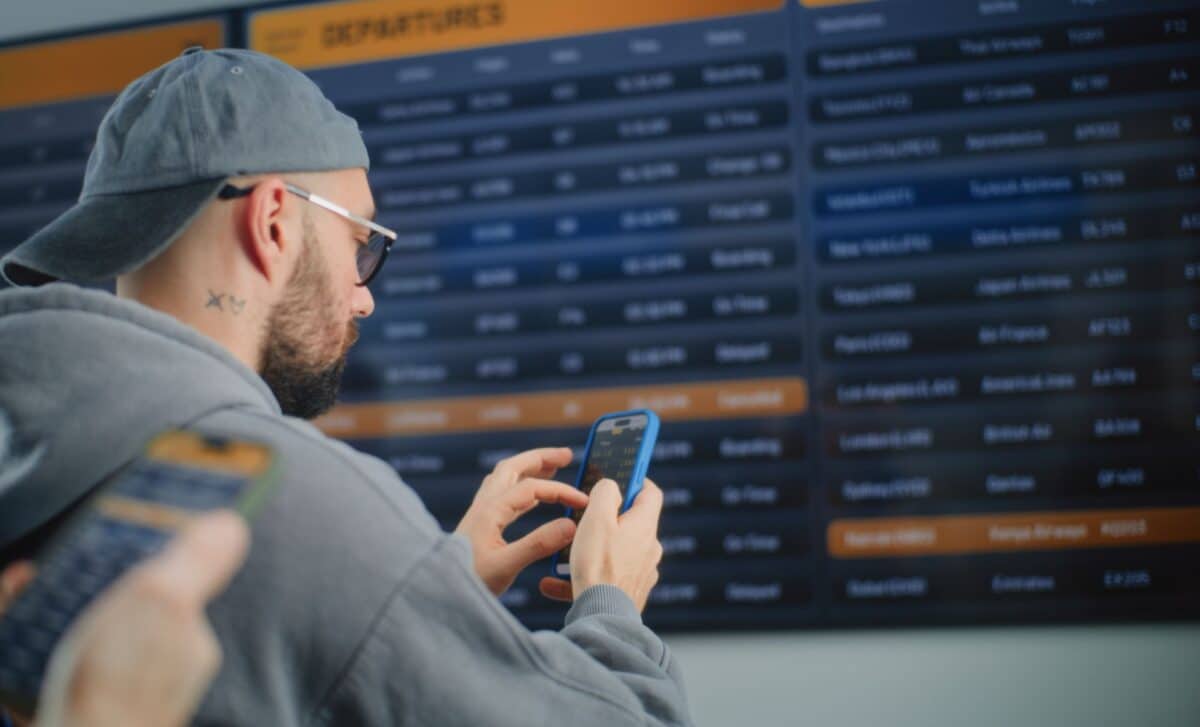
Spring Break is officially underway, and millions of Americans preparing to fly are facing an unwelcome complication: staffing shortages within the Transportation Security Administration are straining security checkpoints at major airports across the country. The disruptions, driven largely by a rise in unpaid absences among TSA officers, have already pushed wait times well beyond normal expectations at several locations.
The timing could hardly be worse. Spring Break represents one of the most concentrated travel surges of the calendar year, with families, college students, and vacationers flooding airports simultaneously. When that volume collides with reduced workforce capacity, the results, longer lines, missed boarding windows, and cascading delays become difficult to manage, even with contingency measures in place.
Financial Strain Behind the Absences
The root cause of the current disruption traces back to broader federal budget pressures affecting agency operations. According to recent reports, when TSA officers are not paid on schedule, absenteeism rises, employees facing financial hardship find it increasingly difficult to report for duty consistently. This pattern is not new; previous instances of funding uncertainty have produced similar workforce attendance problems, and security screening, being inherently labor-intensive, absorbs even modest staffing drops in disproportionate ways.
Officials have acknowledged that while plans exist to manage shortfalls, including extended shifts for those officers who do report, gaps in coverage remain difficult to close entirely. Some agents are working longer hours to compensate for absent colleagues, but the math is unforgiving during peak travel periods, when passenger volume spikes with little warning and staffing levels fluctuate from one day to the next.
Airports Already Feeling the Pressure
The disruptions are no longer theoretical. At Clinton National Airport, travelers reported significantly extended wait times, with some recommending that fellow passengers arrive at least two to three hours before departure to avoid missing flights. One traveler described conditions as “unpredictable,” noting that lines that appeared manageable could escalate rapidly as staff availability shifted throughout the day.
According to officials and travel experts, the unpredictability is compounded by the regional variation in Spring Break schedules, different school districts release students on different weeks, meaning airports may absorb sudden passenger surges without adequate advance notice to adjust staffing accordingly. Airlines are also absorbing the downstream effects: security delays lead to missed boarding times, forcing carriers to rebook passengers and reshuffle schedules, which introduces further instability across the broader travel network.
TSA has urged travelers to enroll in expedited screening programs such as TSA PreCheck to reduce pressure on standard security lanes. However, access to such programs is not universal, meaning the bulk of passenger volume continues to funnel through conventional checkpoints already stretched thin. For now, travel experts advise a straightforward but essential strategy: check flight statuses frequently, arrive earlier than usual, and build flexibility into any travel day plans.