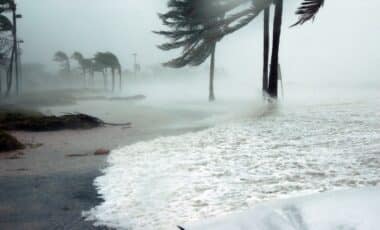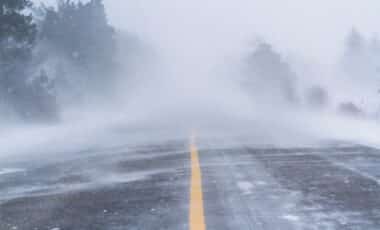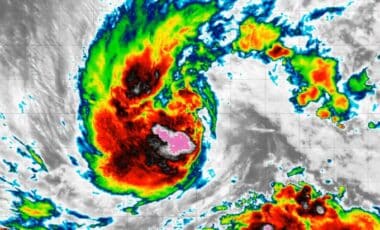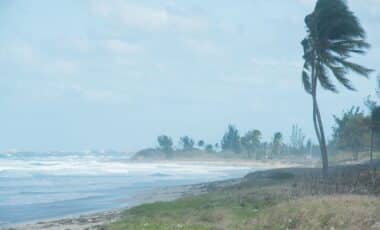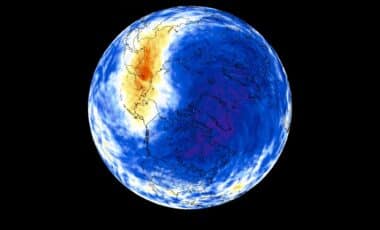
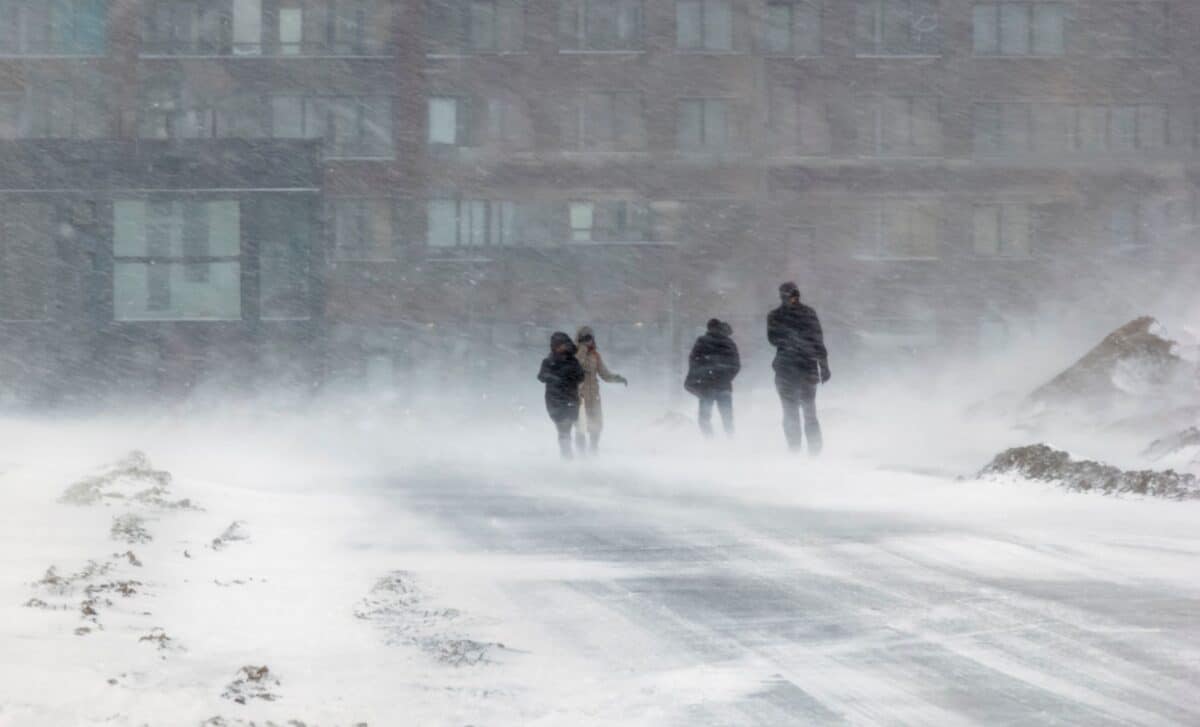
A powerful weather system moved across the eastern half of the United States on Monday, delivering a punishing combination of heavy snowfall, damaging winds, and tornado threats that disrupted millions of lives and grounded thousands of flights. The storm, which had already made roads impassable across the Upper Midwest, was bearing down on the mid-Atlantic corridor, with Washington, D.C., Raleigh, and Richmond among the cities most at risk.
The late-winter assault unfolded against an already turbulent national backdrop. While residents of Minnesota and Michigan dug out from under feet of snow, communities in Hawaii were grappling with a separate and catastrophic flood event that had brought landslides, collapsed roads, and widespread power outages to Maui and neighboring island, a reminder that the country was simultaneously managing weather emergencies on opposite ends of the geographic spectrum.
Tornadoes and Wind Threats Intensify Along the East Coast
The National Weather Service warned that a line of severe storms with damaging winds would cross much of the Eastern U.S., having fired up Sunday and moved through the Mississippi, Tennessee, and Ohio valleys before pushing toward the Appalachians. Forecasters identified a stretch from parts of South Carolina to Maryland as most likely to experience the greatest damaging winds Monday afternoon, potentially affecting Raleigh, North Carolina, Richmond, Virginia, and the nation’s capital.
North Carolina officials closed schools in Raleigh and Chapel Hill, and Governor Josh Stein urged residents to enable emergency alerts on their phones ahead of expected wind gusts of 74 mph. The disruption extended well beyond state borders.
According to AccuWeather senior meteorologist Tyler Roys, the ripple effects on air travel were significant: “Whether it’s wind gusts from a squall line, blizzard or snow, or just wind because of the storm, you’re looking at several major airports being impacted.” More than 600 flights were canceled at Minneapolis-Saint Paul International Airport, with over 850 cancellations reported across Chicago’s O’Hare and Midway airports.
The Midwest Bears the Brunt of Record Snowfall
Central Wisconsin to Michigan’s Upper Peninsula was forecast to receive over two feet of snow, with higher isolated totals expected on the peninsula itself. The scale of the accumulation caught even seasoned residents off guard. Wisconsin snowplow driver Aaron Haas described conditions near Marshfield as among the worst he had seen in years, noting he could not see anything on the highways outside city limits.
More than 210,000 utility customers across six Great Lakes states were without electricity on Sunday, with some outages tracing back to Friday’s wind gusts that reached 85 mph in the region. The storm’s reach extended further still, in Nebraska, according to state officials, around 30 National Guard members were deployed to fight multiple wildfires burning across a broad area of range and grassland, with one fire-related fatality confirmed.
The cold front was expected to clear the East Coast by Tuesday, though it would leave noticeably colder temperatures in its wake, a sobering close to what had already been a punishing stretch of weather for much of the nation.