
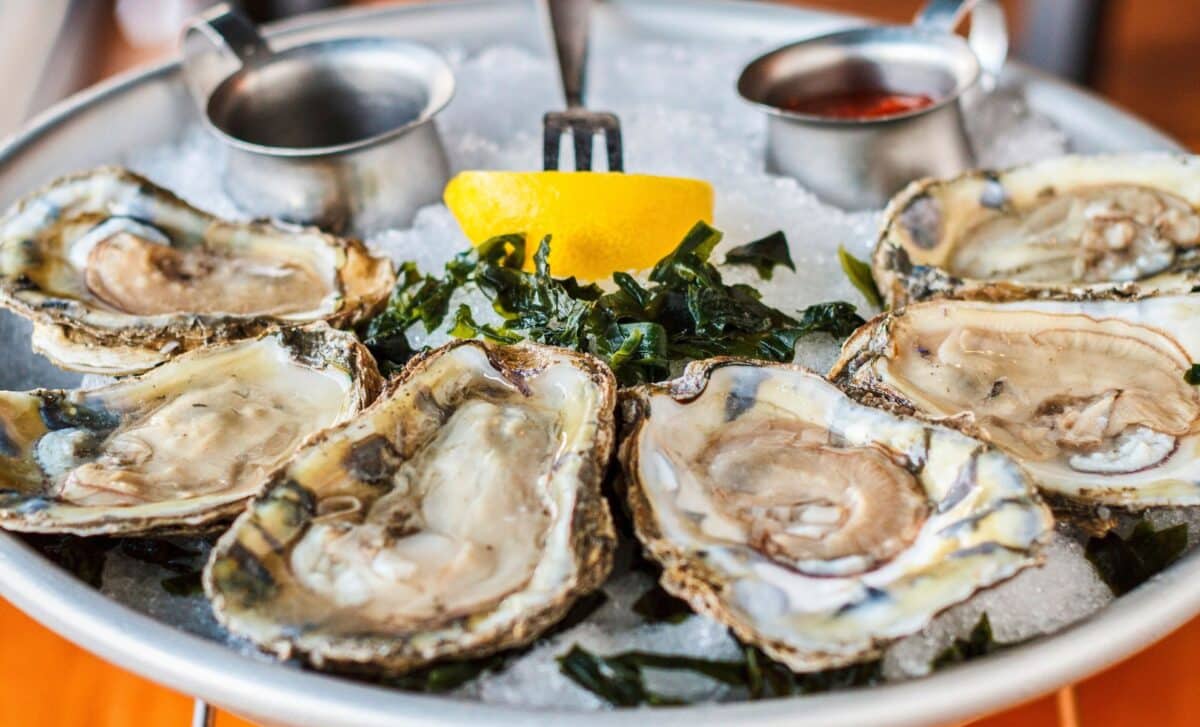
A sweeping shellfish recall has prompted urgent warnings from federal health authorities after raw oysters and Manila clams harvested in Washington state were linked to a cluster of norovirus-like illnesses. Restaurants and food retailers across nine states have been ordered to stop serving or selling the affected products immediately, with the Food and Drug Administration telling consumers in no uncertain terms: do not eat them.
The recall covers shellfish that may look, smell, and taste entirely normal, a fact that health officials say makes the contamination particularly dangerous. Norovirus, the highly contagious pathogen implicated in the outbreak, leaves no visible trace on affected food, giving consumers no reliable way to identify contaminated shellfish before consumption.
A Harvest Window That Spans Three Weeks
The FDA’s safety advisory, published Monday, identified two producers at the center of the recall: the Drayton Harbor Oyster Company, responsible for the raw oysters, and the Lummi Indian Business Council, which harvested the Manila clams. Both lots were pulled from Drayton Harbor in Washington between February 13 and March 3, a harvest window spanning nearly three weeks.
While the raw oysters were distributed exclusively within Washington state, the Manila clams traveled considerably further. According to the FDA, shipments reached restaurants and retailers in Arizona, California, Florida, Georgia, Illinois, Nevada, New York, Oregon, and Washington, a distribution footprint that reflects how quickly shellfish move through national supply chains and underscores the challenge of containing a recall once product has dispersed.
Businesses that received either product have been advised to dispose of it immediately and to thoroughly clean and sanitize any surfaces, containers, or utensils that may have been in contact with the shellfish. The FDA explicitly flagged cross-contamination as a serious concern if proper sanitation measures are not followed.
What Consumers Need to Know About the Health Risks
Norovirus is one of the most common causes of acute gastrointestinal illness in the United States, and while most people recover within a few days, the FDA cautions that outcomes can be “potentially severe,” especially for individuals with weakened immune systems. Symptoms, which according to the Centers for Disease Control and Prevention include diarrhea, vomiting, nausea, stomach pain, fever, headache, and body aches, typically appear within 12 to 48 hours of exposure and can persist for one to three days. In some cases, dehydration may require medical attention.
Anyone who has consumed oysters or clams recently and is experiencing these symptoms is urged to contact a healthcare provider and report the illness to local health authorities. The Interstate Shellfish Sanitation Conference, the national body charged with keeping shellfish safe for consumption, confirmed that distributors have already reached out to the retail establishments that received the affected product. However, officials acknowledged that a portion of the shellfish has in all likelihood already been eaten. The FDA said it will continue monitoring the investigation and update its safety alert as new information emerges, including any expansion of affected states or products.