
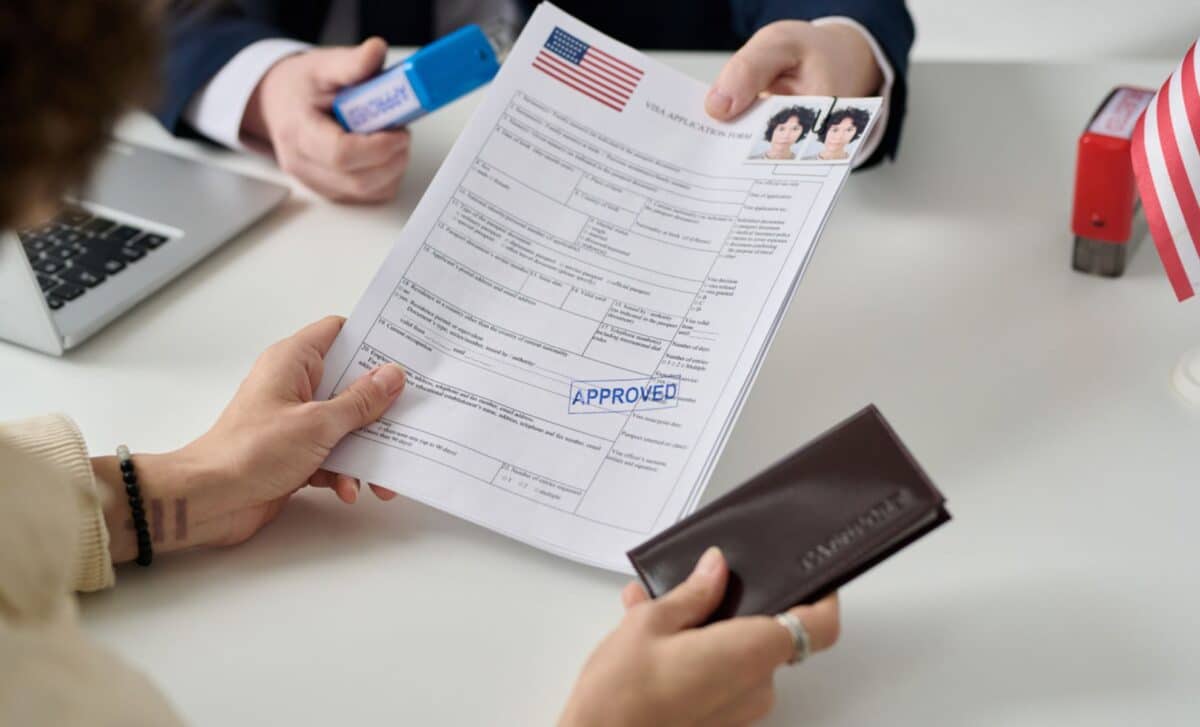
With the new rates effective from March 1, 2026, applicants for various employment-based visas and green cards will now face higher costs for expedited processing. This fee increase aims to enhance the efficiency of premium services, but it could also present challenges for those seeking faster decisions amid mounting demand.
The premium processing service has been an essential feature for many employers and foreign workers who seek a quicker resolution to their immigration cases. However, as processing times for certain applications have grown longer due to high demand and systemic delays, USCIS now requires these service changes to sustain operations and reduce backlogs. While the premium processing service remains optional, the recent fee hikes will likely cause applicants to reassess their choices when it comes to expediting their cases.
Rising Fees for Employment-Based Petitions
One of the most noticeable changes is the increase in premium processing fees for employment-based green card petitions, particularly those filed on Form I-140. According to USCIS, the fee for processing petitions for foreign workers seeking permanent residence through their job will increase from $2,805 to $2,965. This change applies to several categories of employment-based green cards, including EB-1, EB-2, and EB-3.
The increase in premium processing costs for Form I-140 reflects a broader adjustment for work visas as well. Employment visa petitions, such as H-1B and L-1, filed on Form I-129, will also see their fees rise to $2,965. These adjustments are particularly significant for employers and foreign workers navigating the competitive U.S. job market, where timely immigration decisions are crucial for workforce planning and operations.
These fee increases are part of a tiered structure that affects a wide range of immigration categories. The new fees will be particularly impactful for businesses relying on seasonal workers, religious workers, and those seeking employment authorization. According to the USCIS website, the premium processing fee for H-2B seasonal worker petitions and R-1 religious worker petitions filed on Form I-129 will rise from $1,685 to $1,780.
Implications for Applicants and Employers
With the backlog of cases at USCIS continuing to grow, the service increases aim to address these delays while funding the resources needed to process applications more efficiently. The adjustments are expected to generate additional revenue that will help streamline operations and reduce wait times, but applicants and employers may face added financial strain.
Furthermore, USCIS has warned that applications postmarked with outdated fees will be rejected, potentially causing delays for individuals relying on premium processing for timely decisions. For workers who depend on these expedited services, this could result in costly disruptions to their work status or employment opportunities in the U.S.
Overall, while these fee hikes are intended to improve processing speed, they place a greater financial burden on those seeking quicker decisions, especially for employment-based applications. According to experts, the real question will be whether these fee increases lead to noticeable improvements in processing times or whether the demand for expedited services continues to outpace USCIS’s ability to manage the increased workload.