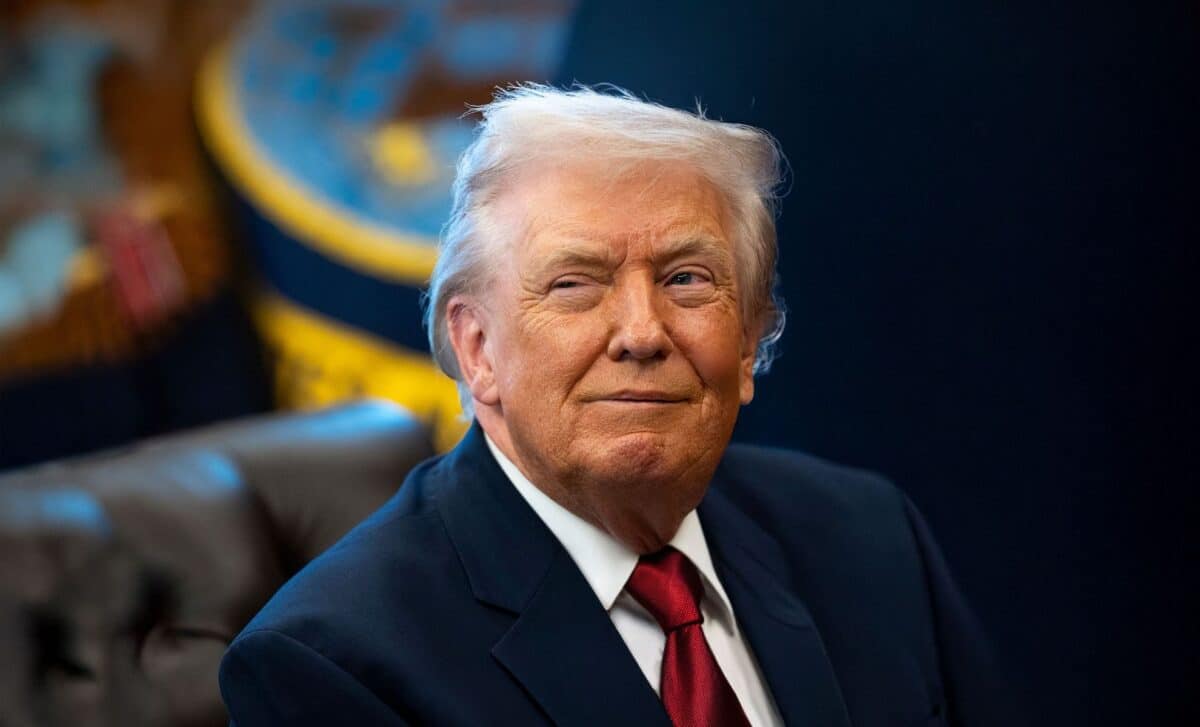
This initiative is poised to provide financial security for those left out of traditional retirement savings programs, addressing an issue that impacts nearly half of the American workforce. The new program will include a government match of up to $1,000 annually for workers who have no access to employer-based retirement plans, offering a lifeline to an often-forgotten segment of the population.
With more than 40 million American workers without access to employer-sponsored retirement plans, Trump’s proposal is designed to rectify this disparity and ensure that these individuals can benefit from the rising stock market. The plan could mark a significant shift in how retirement savings are approached in the United States, but questions about its funding and long-term viability remain.
The Scope of the Problem: Millions Without Access to Retirement Plans
A substantial portion of the U.S. workforce currently lacks employer-sponsored retirement plans, with an estimated 50 million workers without access to programs like 401(k)s. According to the Economic Innovation Group, about 42% of full-time employees and a staggering 79% of part-time workers are not offered such plans. This gap in access has raised concerns about the financial future of millions, particularly as Americans live longer and face increasing costs in retirement.
Trump’s proposal aims to address this issue by extending a federal-style retirement account to these workers. The plan would mirror the retirement options available to federal employees, allowing individuals to opt into the program by simply checking a box on their tax form. This simplified process could significantly increase participation and help ensure that more Americans save consistently for retirement.
While the idea of a government-backed retirement plan is not new, the proposal would make it easier for people without access to employer-sponsored accounts to start saving. The $1,000 government match on contributions, which Trump touted as part of his plan, could provide a vital boost for those who struggle to set aside money for the future. This would help Americans take advantage of the tax benefits and potential stock market growth typically reserved for those with employer-sponsored plans.
Challenges and Criticisms of the Plan
While Trump’s proposal is a step toward addressing the retirement savings gap, it raises several questions, particularly around its funding. Although the president emphasized that the plan would match worker contributions up to $1,000 annually, the specifics of where the money will come from remain unclear. There is little information on whether this would be funded through the federal budget, or how it would affect other government programs.
Experts also note that while the initiative could benefit many workers, it is only one part of the puzzle. According to labor economist Teresa Ghilarducci, the broader issue of retirement savings is complex and requires more than just offering new programs. “but there’s still more to be done.” she said, pointing out that Social Security remains a major concern for retirees. The depletion of the Social Security trust fund, which is projected to run out in 2033, poses a threat to future retirees’ financial stability, regardless of new retirement savings plans.
Despite these challenges, the proposal has generated significant interest, especially as it focuses on a segment of the workforce often overlooked by traditional retirement saving systems. For many, the government match could provide a necessary cushion, encouraging more consistent saving habits and helping individuals plan for a financially secure future. However, its true effectiveness will depend on the details of its implementation and long-term funding.