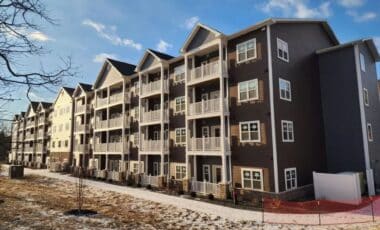

Thousands of homeowners and long-term rental property owners in Montana are racing to apply for a tax break that could significantly reduce their property tax bills. The 2026 Homestead Reduced Rate, part of a broader initiative signed into law last year, promises relief to residents grappling with rising property taxes.
The initiative, which applies to primary homes and long-term rentals, was introduced to ease the financial burden on homeowners and landlords facing steep property tax increases. Governor Greg Gianforte, who signed the measure into law, has made it clear that he hopes these reforms will provide long-lasting relief for many Montanans. However, the deadline to apply is fast approaching, and those who miss it will lose out on potential savings.
What is the Homestead Reduced Rate?
Introduced through House Bill 231 and Senate Bill 542, the Homestead Reduced Rate is a property tax relief initiative aimed at lowering the tax rates for primary residences and long-term rental properties. The law, which came into effect for the 2026 fiscal year, is part of Governor Gianforte’s broader strategy to address the surge in property taxes across Montana. According to the governor’s office, approximately 80 percent of Montana homeowners saw lower taxes in 2025 as a result of the reforms.
The Homestead Reduced Rate aims to help homeowners who have faced significant increases in their property tax bills. This initiative offers relief by reducing taxes on modest residences, while raising them on higher-value homes and business properties.
Eligibility and Application Process
To qualify for the reduced rate, applicants must attest that their home will be their principal residence for at least seven months during the 2026 year. Long-term rental property owners must meet similar conditions, including renting the property for at least 28 days at a time and for a total of seven months per year. Property owners will also need to provide information such as the property’s physical address, geocode, and the names and Social Security numbers of the owners.
Homeowners who previously received a $400 property tax rebate for their primary residence in 2025 will automatically be enrolled for the 2026 Homestead Reduced Rate. However, anyone who moved homes or did not receive a rebate will need to apply before the March 1 deadline to secure the reduced rate.
Rising Property Taxes and Local Challenges
Montana has seen a significant increase in property taxes over the past few years, due in large part to the pandemic-induced surge in home values. According to Montana State University, the median residential home market value in the state rose by 22 percent between 2024 and 2025, driving up property taxes for many homeowners.
While Montana has one of the lowest effective property tax rates in the country, the recent surge in home values has left many homeowners struggling to manage their bills. In response, Gianforte introduced these property tax reforms to alleviate the pressure on homeowners, with estimates indicating an average savings of more than $500 for those who benefit from the reduced rate.
However, the initiative has not been without controversy. Some of the state’s Republican lawmakers have expressed concerns over the impact of the reforms, particularly Senate Bill 542, which they argue unfairly shifts the tax burden onto other property owners. Despite these challenges, Gianforte maintains that the reforms are necessary to offer relief to Montanans without resorting to sweeping changes to the state’s tax code.
While the deadline nears, those who qualify for the 2026 Homestead Reduced Rate must act quickly to ensure they don’t miss out on these savings. With nearly 230,000 primary residences already enrolled, many residents have already signed up for the tax break, but time is running out for those who haven’t.