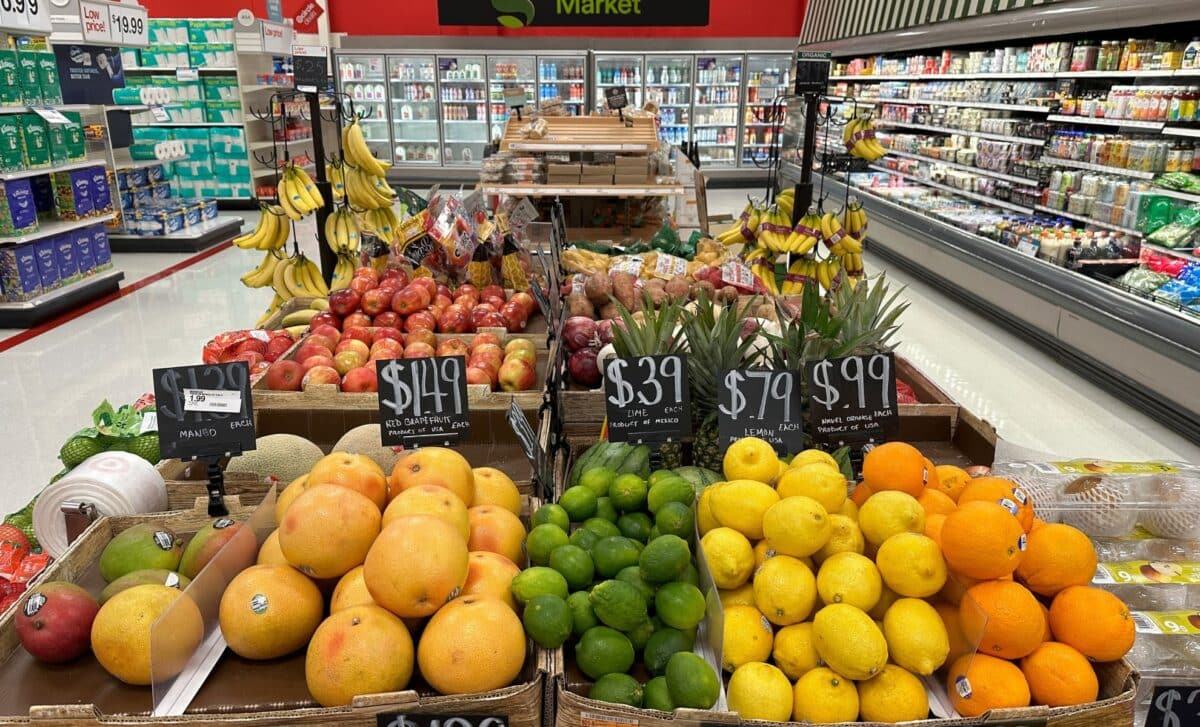
The latest consumer price report shows inflation remains a persistent pressure on American households. While price increases have cooled since 2022’s peak, costs for daily essentials like groceries and rent remain significantly higher than pre-pandemic levels.
The report comes at a sensitive time for economic policy. With public frustration growing and political tensions rising over cost-of-living issues, both the White House and Federal Reserve face mounting scrutiny. The data also highlights challenges in interpreting inflation trends following the government’s data blackout last fall.
Disrupted Data Collection Complicates Inflation Outlook
Inflation data for December was shaped in part by the lingering effects of a six-week government shutdown that paused price tracking operations. According to ABC News, the delay led to “placeholder estimates” for categories like rent, which economists believe may have understated inflation in earlier months. As data collection returns to normal, some of these figures are being adjusted, revealing a less favorable picture.
Economists expected the Consumer Price Index (CPI) to rise by 0.3% in December, reflecting continued price pressures in key sectors like electricity, groceries, and clothing. Year-over-year, prices were projected to be 2.6% higher compared to December 2022, slightly lower than the 2.7% annual rate recorded in November. Still, the monthly increase exceeded the pace aligned with the Federal Reserve’s inflation target of 2%.
Core inflation, which excludes volatile food and energy prices, also followed a similar pattern. It was expected to rise 0.3% from November and 2.7% compared to the previous year. The data points to a stubborn inflation environment, made more difficult to interpret by irregularities caused by the shutdown and the timing of holiday discounts.
November’s surge in prices reading, which had shown a decline from 3% in September to 2.7%, may have been influenced by these inconsistencies. Most prices that month were gathered after the shutdown, when retailers had already launched seasonal markdowns. This likely contributed to a temporary dip that did not reflect broader trends.
Ongoing Inflation Pressures Shape Policy and Politics
Even with inflation receding from its 9.1% peak in June 2022, price levels remain high by historical standards. Grocery costs are now approximately 25% above their pre-pandemic levels. Rent and clothing prices have also continued to rise, adding to the economic burden on American households and becoming a central concern in public discourse.
The Federal Reserve faces a difficult balancing act between controlling inflation and supporting employment. It lowered its key interest rate by a quarter-point in December but signaled caution about further cuts. According to ABC News, Federal Reserve Chair Jerome Powell indicated that more reductions are unlikely in the near term, as inflation remains above the central bank’s preferred level.
Political pressure on the Fed has also intensified. President Donald Trump criticized the central bank for not cutting rates more aggressively, suggesting such moves would ease mortgage rates and reduce government borrowing costs. Meanwhile, the Department of Justice recently served subpoenas to the Fed regarding a renovation project, raising concerns about the independence of monetary policy. In response, Powell stated that the investigation was a “pretext” for greater political control over the central bank.
While inflation is not as volatile as it was during the height of the pandemic recovery, these new figures reinforce that stability remains elusive. With policy uncertainty and consumer prices still elevated, both economic and political challenges remain unresolved.