
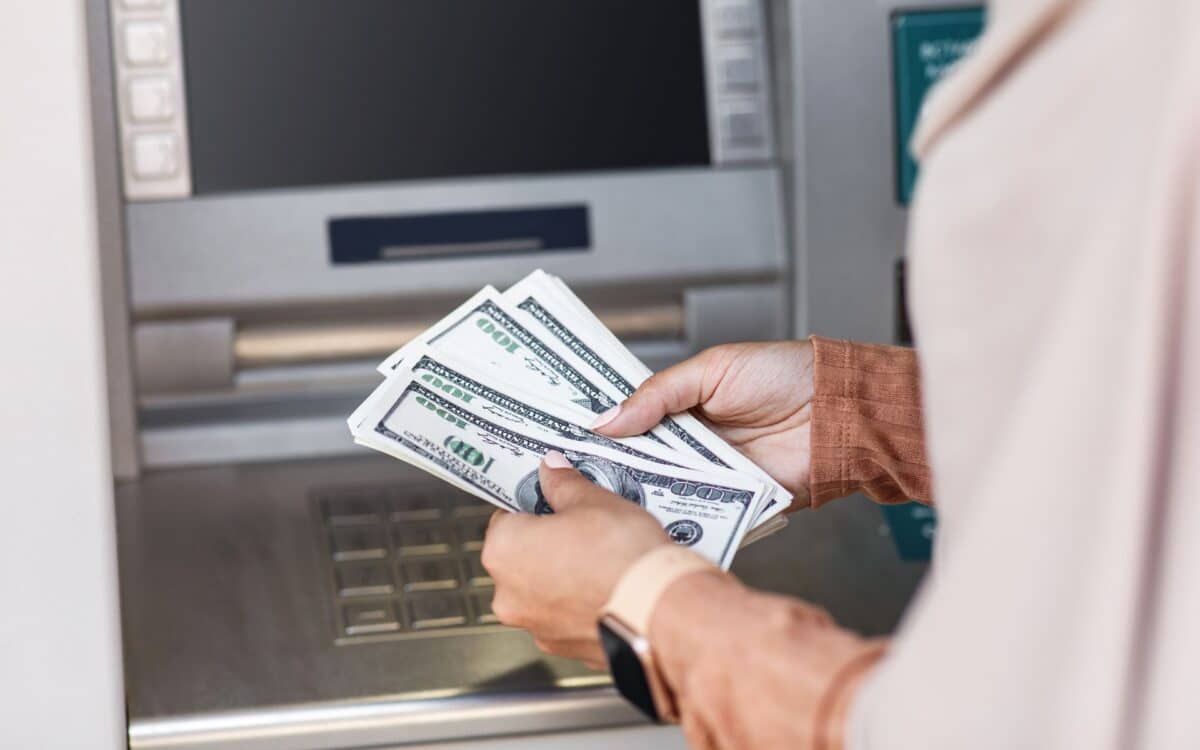
A new wave of guaranteed income programs in the United States is offering financial stability to low-income families. These initiatives, which include direct monthly payments, aim to help struggling households cover basic living expenses and provide long-term economic benefits. The most recent program launched in Indiana, providing $500 monthly checks, is part of a broader national movement seeking to reduce poverty and promote financial independence.
The Indiana Guaranteed Income Program
In an effort to assist low-income households, the United Way of Central Indiana has launched a guaranteed income program as part of its Housing Stability Initiative. According to the U.S. Sun, this program aims to provide $500 monthly payments to qualifying participants for 18 months. The funds, totaling $2.5 million, are part of a broader push to increase financial stability and housing retention for families in Indianapolis, specifically in the IndyEast Economic Mobility District.
The program started in October 2025 with 25 households receiving $500 each month. In early 2026, the second wave of participants will be included, bringing the total number of families supported to 125. These payments are unrestricted, allowing recipients to use them as they see fit, whether for housing, utilities, or other necessary expenses. This flexibility is a core feature of the program, differentiating it from traditional welfare assistance.
The funding for the initiative comes from a mix of local philanthropists, including Judy and Mihael Harrington, an anonymous donor, and a matching grant from the Eli Lilly and Company Foundation. This collaboration underscores the significant role that local organizations and businesses play in supporting community-driven solutions to poverty.
Impact of Guaranteed Income Programs
The success of guaranteed income programs across the United States has been gaining attention. As more cities test these systems, the results so far show promising signs of improving the economic stability of recipients. In the case of the Eastside Economic Mobility District’s pilot program, participants experienced significant improvements in employment, mental health, and financial security.
For instance, by the end of the 18-month initiative, 93% of participating households were employed, up from 60% at the start. Additionally, monthly income for participants increased by an average of $306, and many participants reported improvements in their credit scores. This suggests that direct cash payments can help break the cycle of poverty by giving families the resources needed to invest in their future, whether through saving, paying down debt, or accessing better job opportunities.
The psychological benefits of these programs also cannot be ignored. Participants in the Eastside program reported a shift from financial survival to long-term planning, which speaks to the broader impact that financial stability can have on individuals’ overall well-being.