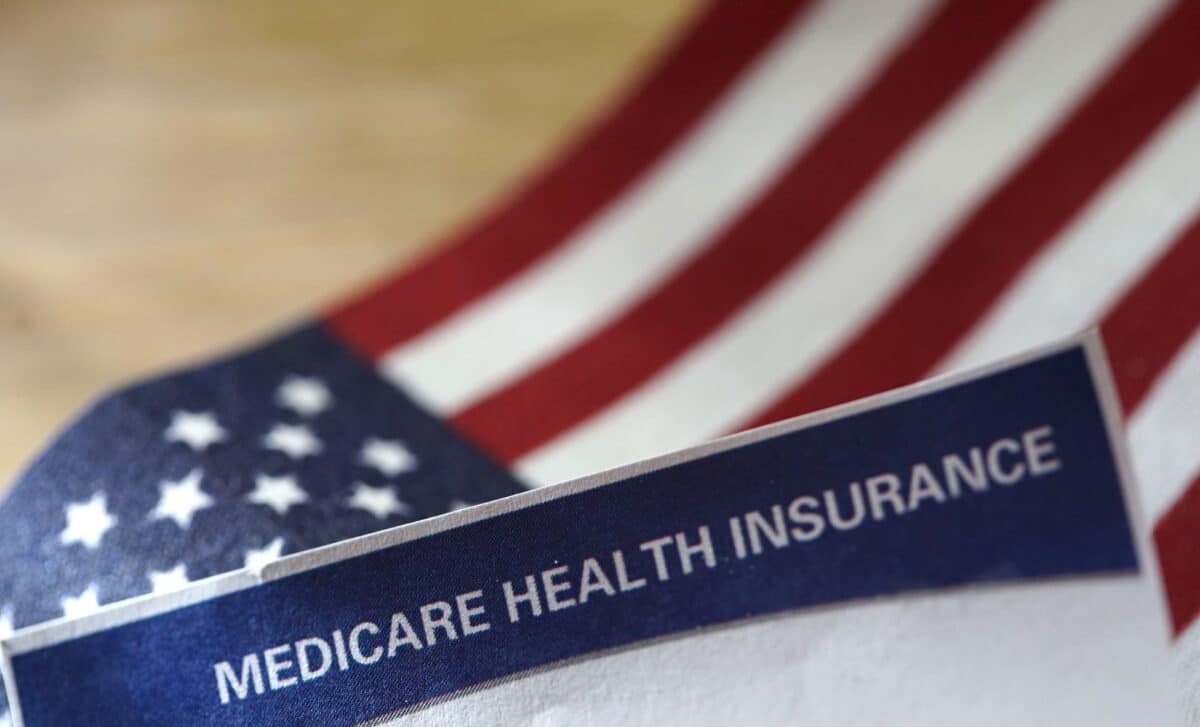
Seniors across the United States are facing a growing threat from scammers posing as Medicare representatives. Reports of fraudulent calls have surged by 40 percent, exploiting trust and putting millions at risk of medical identity theft.
The rise in these scams coincides with Medicare’s open enrollment period, a time when many older Americans are especially vulnerable to misleading or urgent-sounding offers. Authorities and experts are warning recipients to stay alert and take extra precautions to protect their personal information.
Scammers Increasingly Impersonate Medicare to Steal Personal Data
Fraudulent calls claiming to be from Medicare or health care providers are growing in frequency and sophistication. According to new data reported by the Better Business Bureau, the number of Medicare-related scams has risen by 40 percent compared to last year. The calls often sound official, with scammers using personal details obtained from past data breaches to gain trust and extract Medicare numbers from their targets.
In many cases, scammers ask seniors whether they have Medicare Parts A and B, then offer supposed upgrades like Part C or suggest new medical cards and free benefits. These tactics are designed to prompt the recipient into sharing private information. Some calls even threaten the cancellation of coverage unless the recipient acts immediately.
Michael Ryan, a finance expert and founder of MichaelRyanMoney.com, explained to Newsweek that the increase is driven by the availability of personal data online. “When hackers raid the dark web and come away with your name, address, and Medicare number… they’ve got enough ammunition to sound legitimate,” he said. “Your defenses drop the moment someone proves they already ‘know who you are,’ right?”
Once scammers get a Medicare number, they can submit false claims, leading to bills for services never received. In more serious cases, these fraudulent charges can become part of a person’s permanent medical record, with potentially harmful consequences. “It’s not just theft. It’s medical identity theft,” Ryan said. “Phantom diagnoses. Medication allergies that aren’t yours. Lab work that belongs to someone else.”
Seniors Face Long-Term Impacts from Fake Claims and Corrupted Medical Records
The damage from Medicare scams extends beyond financial fraud. Experts warn that fake diagnoses or medical services attached to a person’s Medicare account can alter their official medical history and create lasting complications. These errors can interfere with future treatment, insurance approvals, or even medication prescriptions.
Alex Beene, a financial literacy instructor at the University of Tennessee at Martin, told Newsweek that Medicare typically does not reach out by phone. “The hard rule is to not give your personal data – including information pertaining to Medicare – to anyone over the phone to an unknown number.” he said. “As an added precaution, look over your statements from Medicare regularly to make sure you haven’t been billed for products or services you didn’t receive.”
The open enrollment period, which runs annually from October 15 through December, is a peak time for scam calls. Fraudsters are aware that people are expecting updates and may be more receptive to messages about their coverage. Beene said the timing of these scams is not a coincidence, as criminals try to blend in with legitimate Medicare activity.
To limit exposure, seniors are advised to avoid answering calls from unknown numbers, review their Medicare statements frequently, and consider creating an online Medicare.gov account for more secure access. They are also encouraged to register on the National Do Not Call Registry, though this step does not block all scam attempts.
“Medicare never calls you first,” Ryan emphasized. “If it matters, you’ll get mail. Anyone calling to confirm your Medicare number or pitch you an upgrade? End the conversation. That’s not how real Medicare operates.”