Travelers from Bhutan, Botswana, and five other countries must now pay up to $15,000 to apply for a U.S. visa. The policy targets overstay risks and now affects 13 nations, most of them in Africa.
New Entry Requirements Raise the Financial Barrier for Travelers
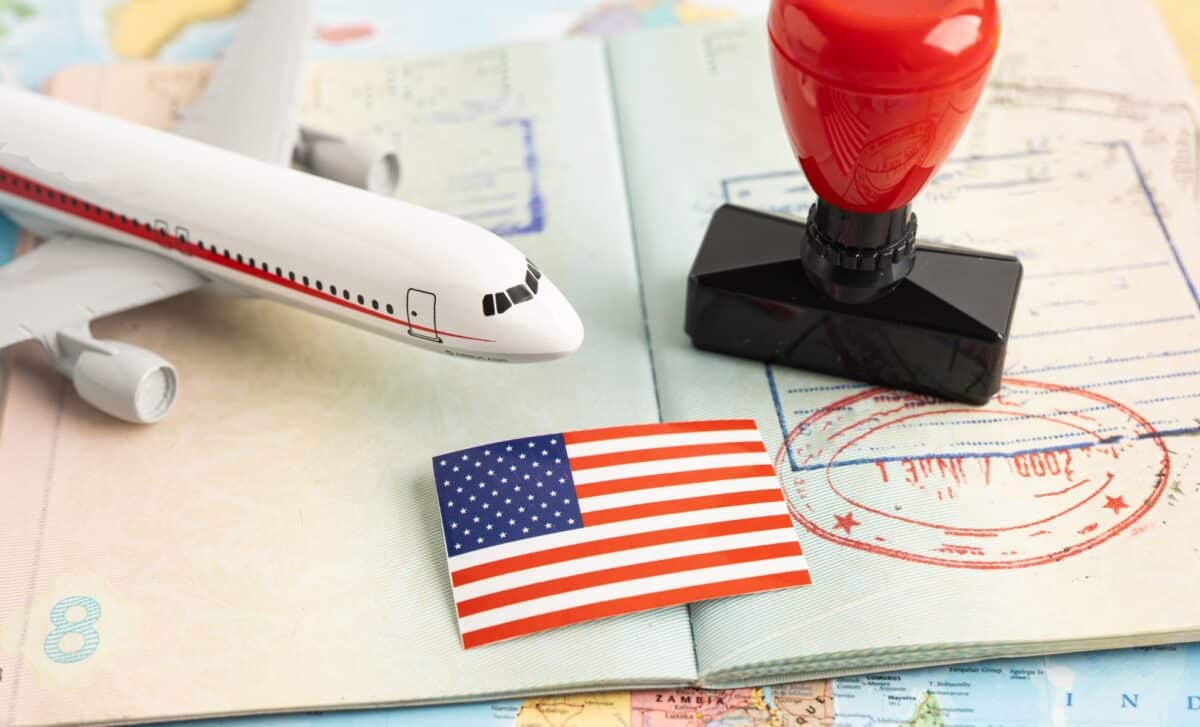
Starting January 1, 2026, nationals from seven additional countries must post a visa bond of up to $15,000 before they can apply for a B1/B2 visa to enter the United States. The U.S. State Department announced the expanded list on its website.
The visa bond pilot program, introduced under the Trump administration, is designed to reduce short-term visa overstays, according to the Department of State. Under the rule, applicants found eligible for a visitor visa may be required to pay a refundable bond determined during their consular interview. Bonds range from $5,000 to $15,000, depending on the case, and are refunded only if the applicant complies with all visa terms.
Visa Bond Policy Targets Countries with High Overstay Rates
The bond requirement was first established through a Temporary Final Rule and applies specifically to individuals seeking B1/B2 visas, which are used for business and tourism. According to the U.S. Department of State, the program draws on overstay data reported by the Department of Homeland Security, identifying countries with higher-than-average nonimmigrant visa overstay rates.
In total, 13 countries are currently affected: Bhutan, Botswana, Central African Republic, Guinea, Guinea-Bissau, Namibia, Turkmenistan, Mauritania, São Tomé and Príncipe, Tanzania, The Gambia, Malawi, and Zambia. The measure applies to travelers “regardless of place of application,” meaning applicants in third countries are not exempt.
Visa applicants are required to submit Form I-352, issued by the Department of Homeland Security, and complete the bond payment through the U.S. Treasury’s Pay.gov system. Applicants are warned not to use third-party platforms to pay the bond, and must only proceed if directed by a U.S. consular officer. “The U.S. Government is not responsible for any money paid outside of its systems,” the State Department noted.
While paying the bond is a condition for visa processing, it does not guarantee that a visa will be issued. If an applicant pays without official instruction or is denied a visa, the amount is not refunded.
Designated Airports and Enforcement Mechanisms
According to the Department of State, travelers from the listed countries who are approved for a visa under the bond requirement must enter and exit the United States through specific international airports. These include Boston Logan International Airport (BOS), John F. Kennedy International Airport (JFK), and Washington Dulles International Airport (IAD). Failure to comply with this condition could result in denied entry or issues with the recording of their departure.
Enforcement of the visa bond terms is overseen by the Department of Homeland Security (DHS). Cases where visa holders are suspected of overstaying or violating the terms of their stay are referred to U.S. Citizenship and Immigration Services (USCIS). Breach scenarios include staying in the U.S. beyond the authorized period, failing to exit through a designated port, or attempting to change immigration status, such as applying for asylum.
According to DHS guidelines, bonds will be forfeited if the visa holder violates any of the outlined conditions. On the other hand, individuals who adhere strictly to their visa terms and timelines will have their bond refunded after DHS verifies their compliance. The bond policy remains one of several measures aimed at tightening U.S. entry protocols and follows broader efforts to reinforce visa application scrutiny, such as mandatory in-person interviews and disclosure of social media history.