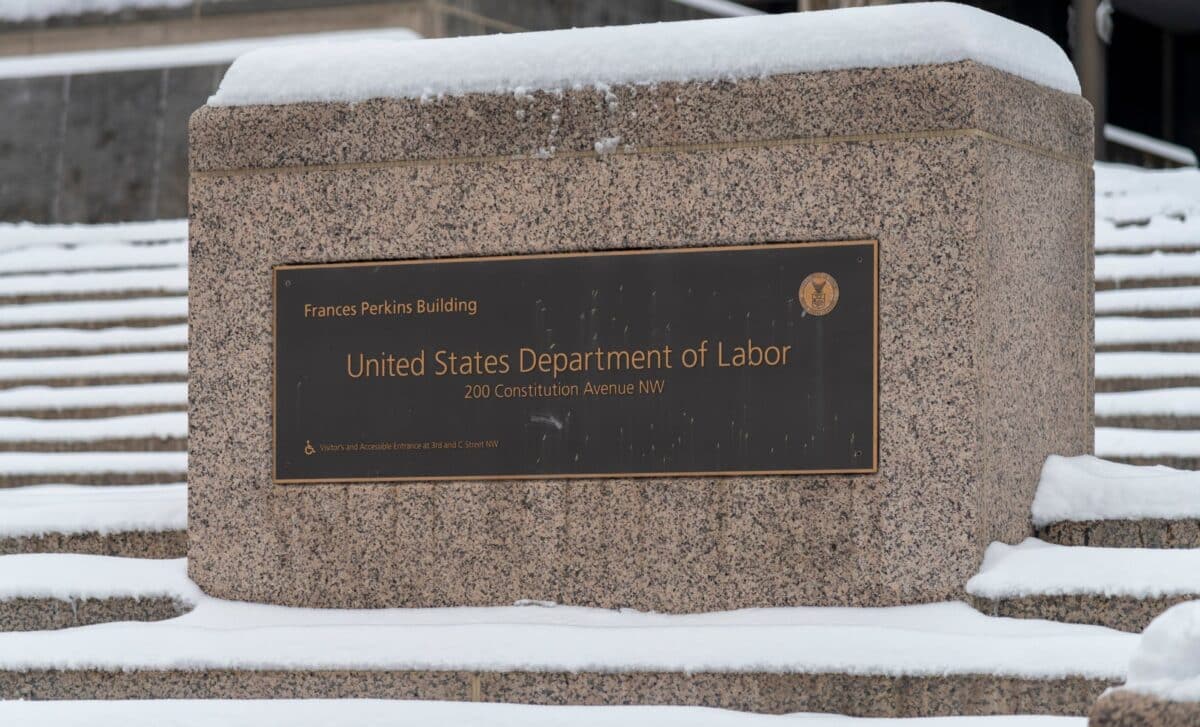
According to data published on Wednesday, jobless claims for the week ending December 20 fell by 10,000 to 214,000 from the previous week’s total of 224,000. That figure came in below analysts’ forecasts of 232,000, suggesting that layoffs remain limited despite broader economic pressures. The report was issued a day early because of the Christmas holiday.
The trend underlines a mixed picture: while unemployment claims remain at historically low levels, other data points to waning hiring momentum and rising unemployment. The overall job market, once one of the strongest pillars of the post-pandemic recovery, now appears to be navigating a period of adjustment as both public and private sectors reassess their workforce needs.
Signs of Softening in Job Creation
Recent figures illustrate the slowdown. The U.S. economy gained 64,000 jobs in November but lost 105,000 in October, largely due to a sharp decline in federal employment, according to the U.S. Department of Labor. The unemployment rate edged up to 4.6 per cent in November, marking the highest level since 2021.
The October downturn stemmed from a fall of 162,000 federal positions, following widespread resignations at the end of the 2025 fiscal year. Many of those departures were linked to cost-cutting measures and staffing reductions across government departments. The administration’s approach to trimming payrolls, combined with persistent economic uncertainty, has weighed on overall employment figures.
Labour Department revisions also removed 33,000 positions from August and September payrolls, suggesting the employment picture in previous months was slightly weaker than initially thought. Job creation has slowed to an average of 35,000 per month since March, down sharply from 71,000 in the preceding year.
This cooling trend coincides with broader economic headwinds, including uncertainty surrounding President Donald Trump’s trade tariffs and the lingering effects of the high interest rates imposed by the Federal Reserve in 2022 and 2023 to curb pandemic-era inflation. Those policies, while successful in stabilising prices, have constrained business expansion and hiring.
Fed Cuts Rates amid Growing Caution
The Federal Reserve responded earlier this month by cutting its benchmark lending rate by a quarter of a percentage point, marking its third consecutive reduction. According to Fed Chair Jerome Powell, the decision was driven by growing concern that the labour market may be weaker than it appears on the surface.
Powell also noted that employment figures could later be revised downward by as much as 60,000, indicating that employers may have been shedding an average of 25,000 jobs a month since spring. His comments reflect a cautious stance within the central bank, which is attempting to balance efforts to support employment while preventing inflation from re-emerging.
Several major companies have already announced job reductions, including UPS, General Motors, Amazon and Verizon, though these layoffs can take time to appear in official data. According to the latest government report, the four-week moving average of unemployment claims, which helps smooth out week-to-week fluctuations, dropped slightly to 216,750. Meanwhile, the total number of Americans receiving unemployment benefits rose by 38,000 to 1.92 million for the week ending December 13.
Taken together, the figures portray a labour market that remains fundamentally sound but less dynamic than in previous years. While layoffs remain subdued, slower hiring and upward pressure on unemployment suggest that the post-pandemic economic expansion may be entering a new, more measured phase.