This latest safety recall impacts select 2022–2026 model year F-150 Lightning electric trucks, 2024–2026 Mustang Mach-E electric vehicles, and 2025–2026 Maverick compact pickups. Affected owners will be contacted starting February 2, 2026, with instructions to resolve the issue either remotely or at a dealership.
Software Flaw Prevents Vehicles from Locking in Park
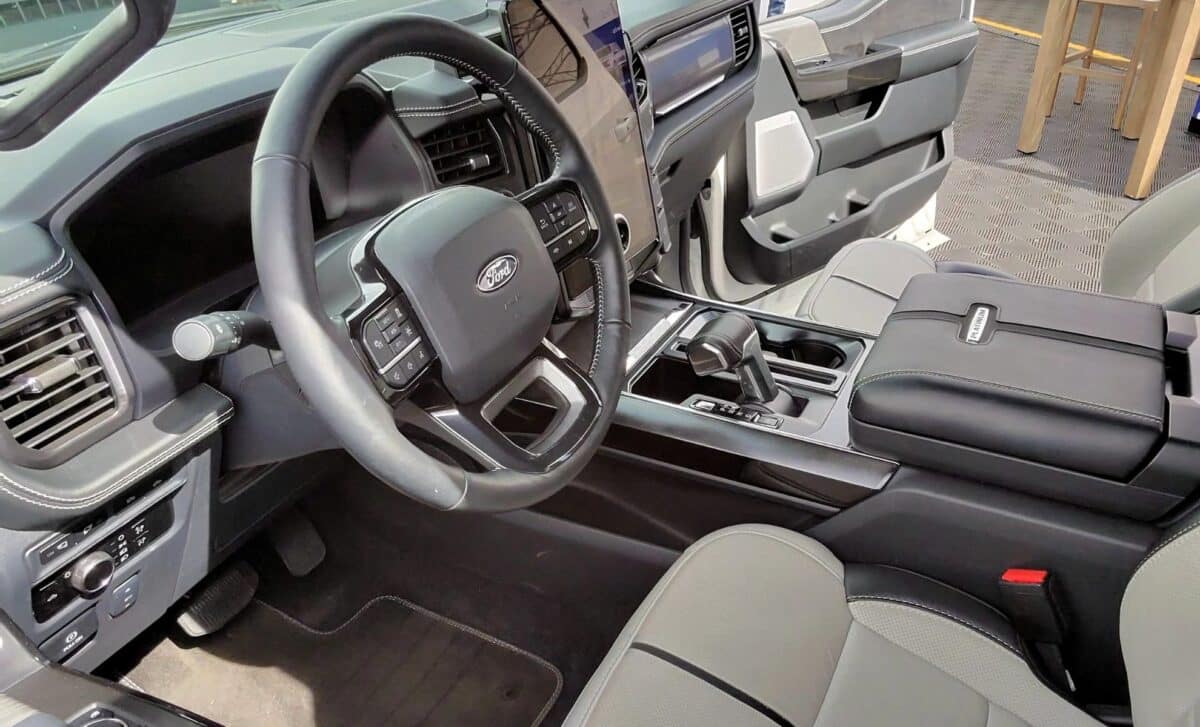
The central issue in this recall concerns a software error in the integrated parking module. According to the NHTSA, the defect may cause the system to fail in locking the transmission in “park”, potentially allowing the vehicle to move unexpectedly, a condition known as unintended vehicle rollaway. This defect significantly raises the risk of collisions, especially when vehicles are left unattended on inclines or uneven surfaces.
Ford has assigned the recall campaign the internal reference number 25C69. The company says the faulty code can be fixed through an over-the-air software update, enabling owners to apply the correction remotely, or alternatively by visiting a Ford dealer.
At this stage, no injuries or fatalities related to the defect have been reported. NHTSA’s recall notice highlights that the issue poses “an unreasonable risk to motor vehicle safety.” Once the update is released, Ford will notify vehicle owners by first-class mail in accordance with federal safety requirements.
The recall follows a separate campaign from June 2025, in which Ford called back over 197,000 Mustang Mach-E vehicles due to malfunctioning door latches. That issue, unrelated to the current defect, also posed safety concerns related to vehicle security and operational reliability.
Vehicle Owners Advised to Check VIN for Recall Status
Vehicle owners can determine if their car is affected by using the VIN lookup tool provided on NHTSA’s website. Each vehicle’s Vehicle Identification Number (VIN) is a 17-character code found on the lower-left corner of the windshield, registration card, or insurance documents.
According to NHTSA, when users input their VIN or license plate number, the tool will reveal whether their vehicle has unrepaired safety recalls. It’s worth noting that not all VINs may appear immediately, as databases are updated regularly. Recalls that have already been repaired or are older than 15 years generally won’t appear in the results.
The agency stresses the importance of regularly checking for open recalls, as some safety campaigns may take time to identify all affected vehicles. Once a withdrawal is announced, manufacturers are required to notify registered owners within 60 days and provide a free solution.
NHTSA’s recall process involves multiple stages, beginning with public complaints and potentially leading to investigations. If a defect is confirmed, manufacturers must act either voluntarily or under federal direction. NHTSA then monitors the effectiveness of withdraw campaigns to ensure compliance with safety standards.