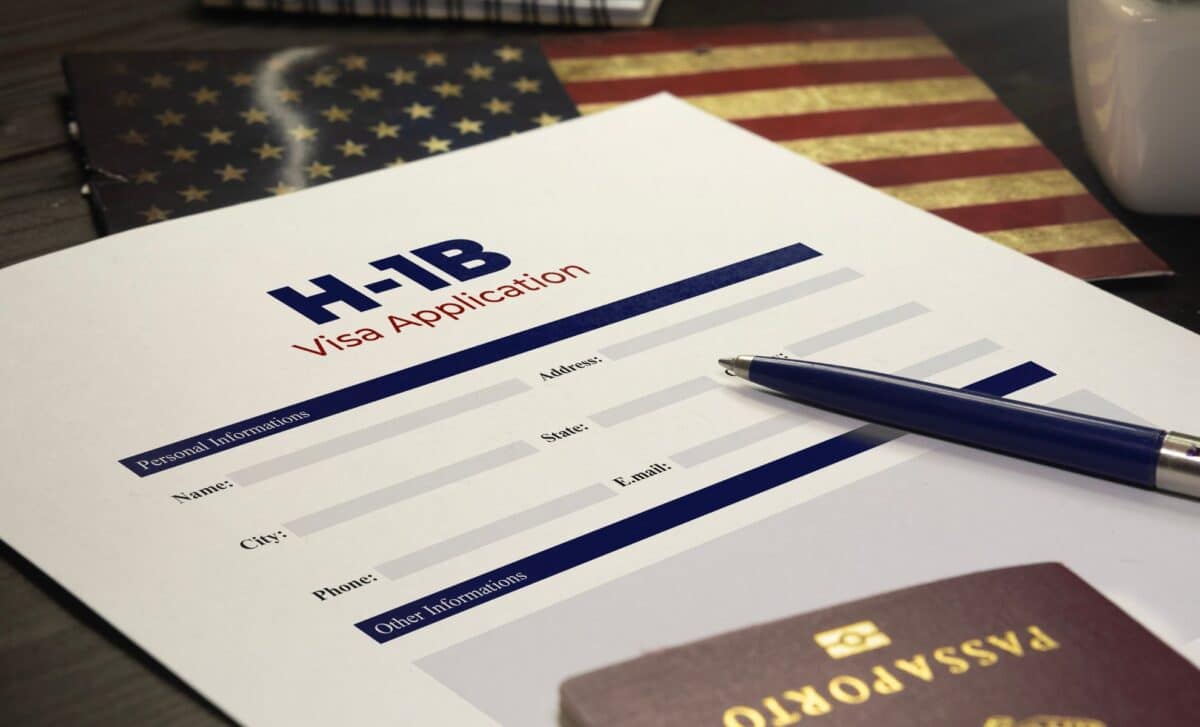
Starting today, all applicants for H-1B and dependent H-4 visas will be required to provide their social media handles for review as part of the U.S. Department of State’s expanded visa process. This new protocol introduces a layer of scrutiny that many are questioning for its potential impact on privacy and free speech. The updated review system aims to enhance national security, but it also raises concerns about how this additional requirement might affect the processing of skilled worker visas in the U.S.
The Shift Toward More Scrutiny in U.S. Immigration Policies
H-1B visas have long been a vital pathway for skilled workers to enter the United States, particularly in fields such as technology, healthcare, and academia. The latest change to the visa application process, effective from today, requires all applicants, along with their H-4 dependents, to disclose their social media handles from the past five years for review. The U.S. State Department has positioned this as part of an “online presence review,” wherein consular officers will examine public-facing social media accounts to assess applicants’ eligibility and potential security risks.
This new requirement aligns H-1B and H-4 visa applicants with other nonimmigrant visa categories, such as F, M, and J visas, which already face similar scrutiny. As such, applicants will need to ensure that their social media accounts align with the information provided in their applications. While the government frames the policy as a security measure, many argue it raises concerns about privacy and could chill free expression.
Increased National Security Measures Amid U.S. Immigration Policy Shifts
The U.S. government asserts that the enhanced social media review is a step toward bolstering national security. According to the Department of State, the decision is part of a broader push to prevent inadmissible individuals from entering the country, including those who may pose a threat to national interests. “Every visa adjudication is a national security decision,” the State Department emphasized. As part of this, consular officers will assess not only applicants’ social media posts but also their connections and related content.
Stuart Anderson, executive director of the National Foundation for American Policy, spoke to the significance of the H-1B visa system, noting that it is essential for the long-term hiring of highly skilled foreign nationals. He pointed out that nearly 70 percent of full-time graduate students in key science and technology fields at U.S. schools are international students, and H-1B visas are often the only route to permanent employment for these individuals.
This heightened scrutiny comes amid broader changes in U.S. immigration enforcement policies under President Donald Trump’s administration, which has emphasized increased vetting, visa revocations, and investigations into employers allegedly sidestepping American workers. The additional data-sharing capabilities between federal agencies, such as the Department of Labor’s Project Firewall, further enhance this coordinated effort to vet foreign nationals.
Implications for Applicants and Employers
The practical implications of this new social media review for H-1B and H-4 applicants are significant. Applicants will now need to provide accurate and comprehensive social media handles used in the past five years, which will be used by consular officers to assess their visa eligibility. While the stated aim is national security, critics argue that this could create delays in the processing times for visas, potentially affecting the ability of U.S. employers to quickly bring in highly skilled foreign workers.
Additionally, some fear that the review could discourage free speech, as applicants may feel the need to censor their social media activity to avoid potential issues with visa approval. Employers sponsoring H-1B workers should be prepared for potential delays and disruptions, particularly if employees are delayed in returning to the U.S. after international travel or visa renewal processes.