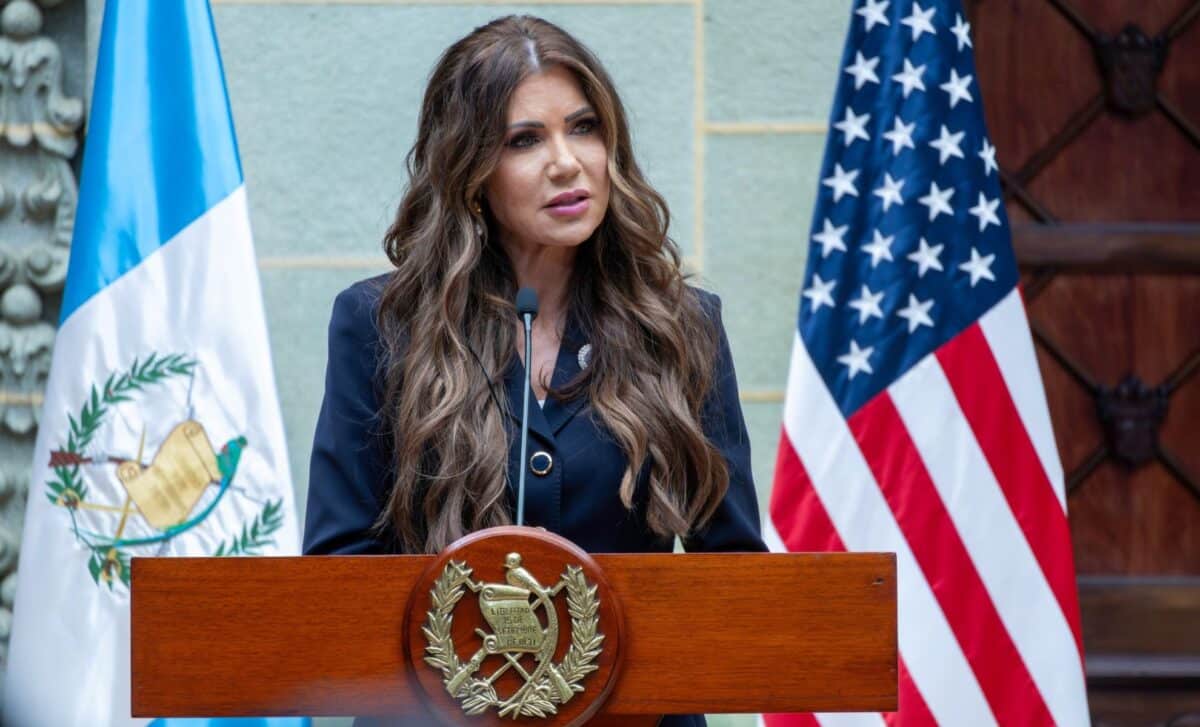
Noem’s remarks, made during a November 12 interview on Fox News, highlight the administration’s focus on legal immigration. She pointed to a faster, more efficient system that is also reportedly helping more immigrants become U.S. citizens. However, her claims of progress contrast sharply with recent statistics showing record backlogs and delays in key immigration processes.
Immigration Backlog Hits Record High
According to USCIS, there are currently 11.3 million pending applications, a record high for the agency. This includes a wide array of immigration processes, from green card applications to work permits, but most notably, employment-based petitions such as the H-1B visa. Despite claims from Noem that the Trump administration has sped up processing, data from the agency indicates that many applicants still face waits of months or even years.
For example, workers seeking a green card under employment-based categories are now looking at wait times averaging nearly three and a half years, according to the Cato Institute. This lengthy wait has led to frustrations, especially for high-skilled workers in tech and other sectors, who are essential to the U.S. economy. Though Noem asserts that the administration has added “integrity” to the visa process, the rising delays suggest that these efforts may not be addressing the root causes of the backlog.
A $2,805 fee, which some applicants can pay to expedite their applications, still only reduces the wait time to around 2.8 years. This is far from the speedy process promised by Noem and reflects a gap between the administration’s rhetoric and the lived experience of applicants.
Noem Defends H-1B Visa Program Amid Criticism
Noem’s comments also touched on the controversial H-1B visa program, which allows U.S. employers to hire foreign workers in specialty occupations. Trump administration officials have been vocal about reforming this program to ensure that foreign workers do not displace American jobs. In the same interview, Noem reiterated that the administration is committed to ensuring that those entering the country through visa programs, like the H-1B, are properly vetted and are entering for the “right reasons.”
Noem specifically mentioned the need to scrutinize potential risks from immigrants entering the country with malicious intent, a perspective that aligns with the administration’s broader focus on national security. “We’re going to keep using our visa programmes. We’re just going to make sure that they have integrity, that we’re actually doing the vetting of the individuals who come into this country” Noem said.
However, critics of the administration’s stance argue that while national security is a legitimate concern, excessive vetting and administrative delays may discourage top international talent from applying for U.S. positions. David Bier, director of immigration studies at the Cato Institute, emphasized that other countries are successfully attracting high-skilled workers with faster and more straightforward green card processes, potentially putting the U.S. at a disadvantage.
The Trump administration’s handling of the H-1B visa has been a focal point of debate, especially in sectors like technology, where foreign-born workers play a significant role. This debate intensified in September 2025, when the administration proposed a new fee for H-1B visa petitions, signaling a shift towards more restrictive practices.
While Kristi Noem’s comments on speeding up immigration processing are part of a broader push by the Trump administration to portray its immigration policies as successful, the reality remains more complicated. With a historic backlog at USCIS, applicants are still facing long delays despite claims of progress.