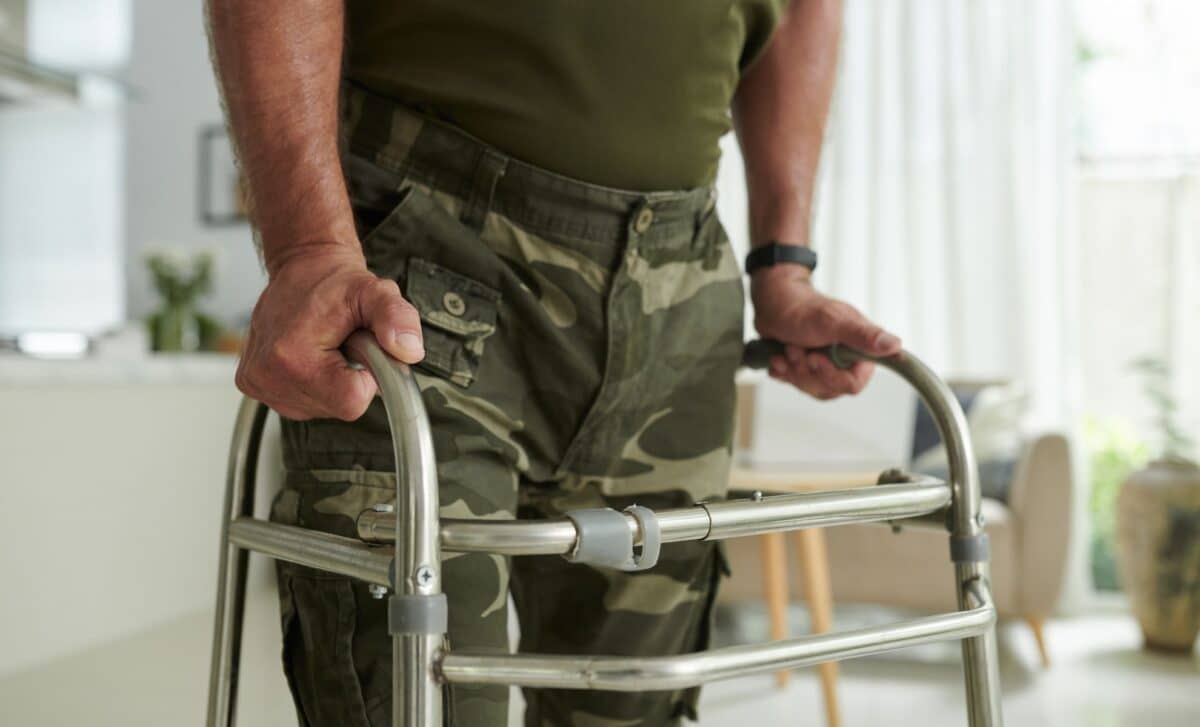
Support for veterans with serious injuries sustained during service is a key priority for the US government. For many, daily life can be severely restricted by their living environment, a home that cannot accommodate a wheelchair, for instance, may effectively isolate them.
To address this, the Department of Veterans Affairs (VA) offers several grants aimed at helping disabled veterans live more independently. These include the Specially Adapted Housing (SAH), Special Home Adaptation (SHA) and Temporary Residence Adaptation (TRA) grants. Each serves a specific purpose but shares the goal of improving accessibility, mobility and quality of life.
SAH And SHA Grants Enable Veterans to Adapt or Acquire Permanent Housing
The SAH grant is the largest of the three, offering eligible veterans up to $121,812 in fiscal year 2025, according to the VA. This funding may be used to build, purchase, or adapt a permanent residence to accommodate physical limitations resulting from qualifying service-connected disabilities. These may include the loss or loss of use of both legs or arms, blindness in both eyes, severe burns, or certain respiratory injuries.
Veterans must either own or plan to own a permanent home in order to qualify, and the adaptations must be necessary to support independent living. According to the VA, individuals who were injured after 11 September 2001 and qualify under the criteria of losing a single lower limb that impacts mobility are subject to a cap of 120 SAH grants per fiscal year. Once this quota is met, applicants will need to wait for the following fiscal cycle to reapply.
The SHA grant, though smaller in scope, is similarly intended to fund modifications to a veteran’s primary residence. With a maximum grant of $24,405 in 2025, this option is available to veterans or service members, or their families, who own their home and suffer from conditions such as the loss of both hands or specific pulmonary injuries. As with the SAH grant, proof of disability and documentation of property ownership are required for eligibility.
Importantly, both SAH and SHA grants can be used multiple times, up to six instances across a veteran’s lifetime. This flexibility allows veterans to apply the funds as their needs evolve or relocate without losing entitlement.
TRA Grants Support Accessibility in Temporary or Family Residences
For veterans living temporarily in the home of a family member, the Temporary Residence Adaptation (TRA) grant offers targeted funding to make those homes safe and accessible. This may involve the installation of wheelchair ramps, wider doorways, accessible bathrooms, or other structural changes tailored to the individual’s mobility needs.
Unlike the SAH or SHA grants, property ownership is not required for TRA applications. The TRA grant is only available to those who already meet the SAH or SHA eligibility criteria, effectively serving as a complementary option for transitional or short-term living arrangements.
According to the VA, the maximum TRA amount in 2025 is $49,062 for SAH-eligible veterans and $8,760 for those who qualify under SHA. Applications can be submitted online or via a local VA office, with veterans required to provide evidence of their disability, residency situation, and estimates from contractors for the necessary modifications.
The funds may also be split across several years, and unused amounts do not lapse. The VA adjusts the grant caps annually based on national construction costs, which ensures the purchasing power of the funding remains viable.