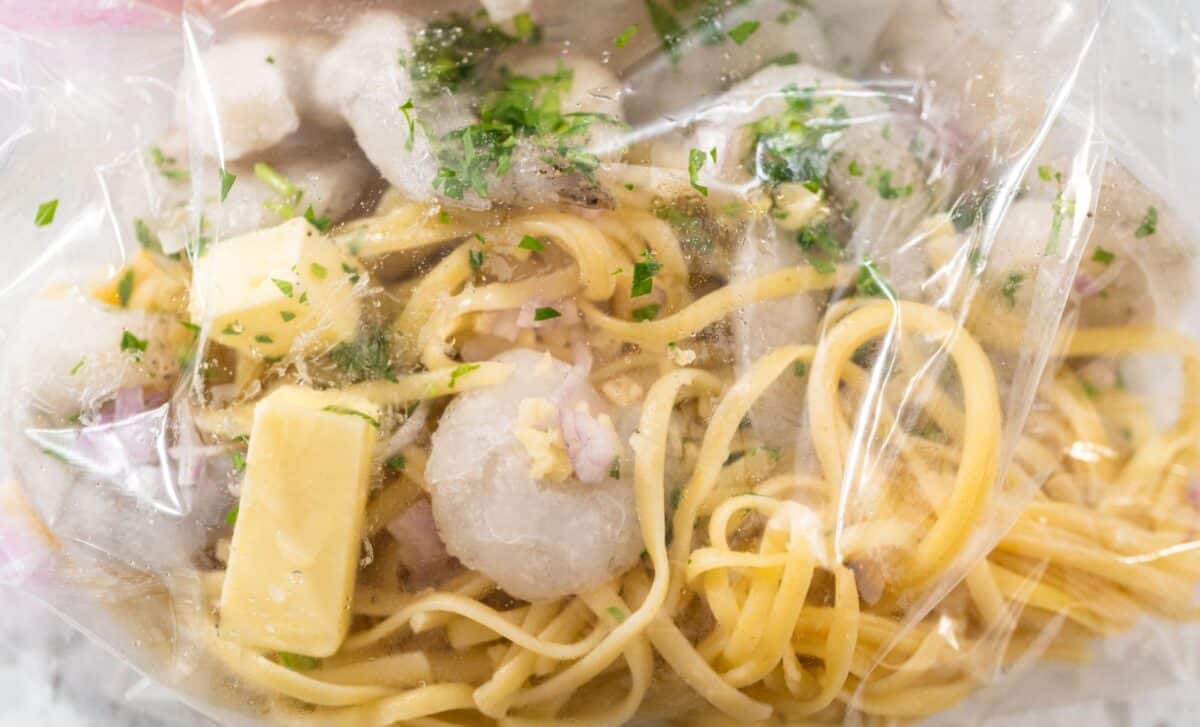
Over 12,000 cases of a frozen shrimp pasta dish have been recalled across the United States due to potential contamination with Listeria monocytogenes, according to the FDA. The recall has been assigned a Class I risk, the highest level of health hazard in the agency’s classification system.
The product in question, Scott & Jon’s Shrimp Scampi with Linguine, was voluntarily withdrawn by Demers Food Group LLC following the discovery that a batch of linguine used in the dish may have been contaminated with listeria bacteria. The alert comes amid increased scrutiny on food safety in processed meals.
Highest-Level FDA Alert Following Contamination Report
The U.S. Food and Drug Administration issued a Class I recall warning, its most serious category, on October 24, citing a “reasonable probability” that consumption of the affected product could lead to severe health outcomes or death. The voluntary recall was initially announced by Demers Food Group LLC on October 1, but the federal agency’s escalation indicates the elevated risk posed by the product.
According to the FDA, the contamination originated from linguine pasta supplied by Nate’s Fine Foods, used in the recalled seafood meal. The recall covers 12,962 cases of Scott & Jon’s Shrimp Scampi with Linguine, distributed nationwide between 15 and 25 September this year. The affected lot numbers include S254522, S255522, S259522, S263521, and S263522, with expiry dates ranging from 12 to 21 March 2027. Each package bears the UPC code 858175003919.
At the time of the announcement, no illnesses had been reported in relation to the contaminated product. The FDA, however, urged consumers not to consume the meal and to either discard it safely or return it to the place of purchase for a full refund.
How Listeria Spreads and Why It’s Hard to Detect
Listeria monocytogenes is a potentially lethal bacterium, particularly dangerous for vulnerable populations such as the elderly, pregnant women, newborns and immunocompromised individuals. According to the FDA, while healthy individuals may experience only mild symptoms, fever, nausea, abdominal pain and diarrhoea, the infection can lead to miscarriages, stillbirths, or severe neurological issues in more serious cases.
The FDA also highlighted the risk of cross-contamination, noting that listeria can survive and spread at refrigerated temperatures. “The FDA recommends in these cases that anyone who purchased or received any recalled products to use extra vigilance in cleaning and sanitizing any surfaces and containers that may have come in contact with these products to reduce the risk of cross-contamination. Listeria monocytogenes can survive in refrigerated temperatures and can easily spread to other foods and surfaces.” the agency stated in its advisory.
The recall remains ongoing, and health authorities are continuing to monitor the situation. Consumers are encouraged to check their freezers for the product and follow recall instructions to minimise health risks.