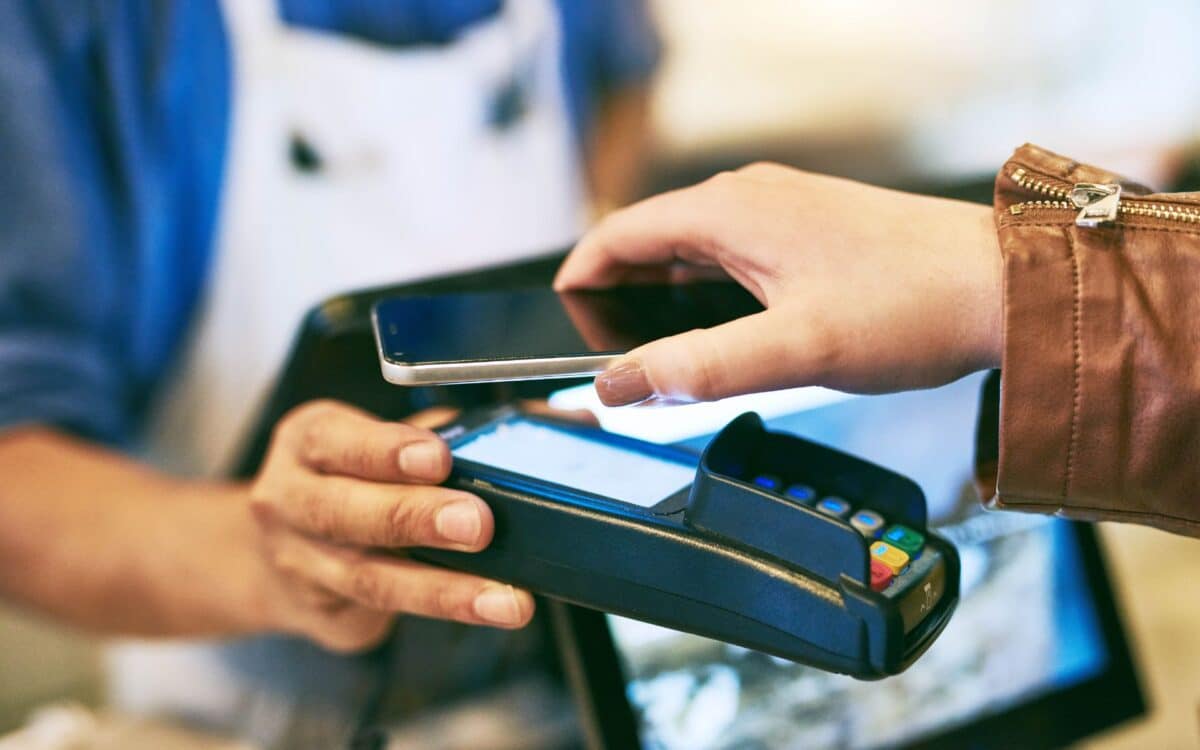
A growing scam known as ghost tapping is quietly hitting tap-to-pay users across the United States. Victims are being charged hundreds—or even thousands—of dollars without handing over their cards or authorizing payments. The con relies on contactless payment technology, like NFC-enabled credit cards and mobile wallets, which are now standard for fast, touchless transactions.
According to reports tracked by the Better Business Bureau (BBB), scammers are increasingly using this method to take advantage of unsuspecting shoppers, particularly in busy or crowded places. In some cases, the losses have reached as high as $1,100, all triggered by a single, seemingly innocent tap.
Ghost Tapping At Work: Scammers Use Disguised Devices In Crowded Spaces
The way ghost tapping works is deceptively simple. Using wireless card readers hidden in bags or disguised as mobile devices, scammers can initiate a transaction just by getting close to a person carrying a contactless payment card or smartphone. Victims often don’t realize they’ve been charged until long after the encounter.
One widely reported case involved a scammer going door-to-door, claiming to sell chocolate on behalf of special needs students. He insisted on tap-to-pay only and charged the victim’s card $537—far more than the cost of a box of candy. In another instance documented on the BBB Scam Tracker, a person lost $1,100 in the same scheme.
Scammers are also showing up at festivals, flea markets, and other crowded events, posing as legitimate vendors. Some even pretend to collect charity donations, encouraging quick taps for small contributions—only to drain large sums in the process. According to a report from NBC affiliate KUSA, thieves sometimes use smaller amounts on purpose to avoid fraud detection systems, making the transactions even harder to spot in real time.
As noted by The U.S. Sun, these scammers often move from one neighborhood to another, never staying long enough to get caught, and counting on victims being distracted, in a hurry, or simply unaware of the risk.
Warning Signs And How To Protect Yourself From Ghost Tapping
The Better Business Bureau is urging consumers to remain alert and take extra precautions when using tap-to-pay features. Michelle L. Corey, president and CEO of BBB St. Louis, stressed the importance of vigilance, saying:
The best way to avoid losing money is to review your financial accounts regularly and contact your bank as soon as you notice any suspicious activity.
Experts advise investing in RFID-blocking wallets or sleeves, which prevent unauthorized wireless communication with your payment cards. Always double-check the screen on payment terminals before tapping—look for the correct business name and amount, and never let anyone rush you through a payment.
Another effective tool is activating instant transaction alerts through your bank’s mobile app. These notifications can flag unauthorized activity as soon as it happens. Additionally, consider using chip or swipe methods in high-risk environments instead of relying solely on contactless payments.