

Millions of Americans who depend on the Supplemental Nutrition Assistance Program (SNAP) are now facing an unsettling period of uncertainty. The ongoing government shutdown, which began on October 1, has caused a significant disruption to the usual flow of information regarding their benefits.
According to The US Sun, the U.S. Department of Agriculture (USDA) posted a message on its website confirming that updates to the program would be halted due to the funding lapse. The message, which included the statement, “Due to the Radical Left Democrat shutdown, this government website will not be updated during the funding lapse,” has left many recipients in a state of confusion as they await clarity on what will happen next.
Government Shutdown and Its Impact on SNAP Updates
The government shutdown, which resulted from Congress failing to pass a funding bill, has had a significant impact on programs like SNAP. While Republicans supported a short-term measure to keep the government funded, Democrats blocked it due to disagreements over healthcare issues like Medicaid.
The USDA’s website assured recipients that their SNAP benefits for October would still be processed on time, but there was no mention of what would happen in November if the shutdown continued.
With the USDA website displaying no further updates, recipients face an anxious wait, especially with major changes set to take effect next month. The lack of information means many recipients are unaware of the new rules and potential cuts to their benefits.
For instance, the state of Oregon is expected to see a significant reduction in its SNAP assistance, with “313,000 out of the 740,000 SNAP recipients” in the state projected to lose their benefits due to the upcoming changes.
Major Changes to SNAP Starting November 1
Starting November 1, sweeping changes to the SNAP program will affect millions of recipients across the country. The new rules will apply to a variety of groups, including able-bodied adults without dependents (ABAWDs), veterans, unhoused individuals, and those who aged out of foster care. These groups will face stricter work requirements and new eligibility criteria.
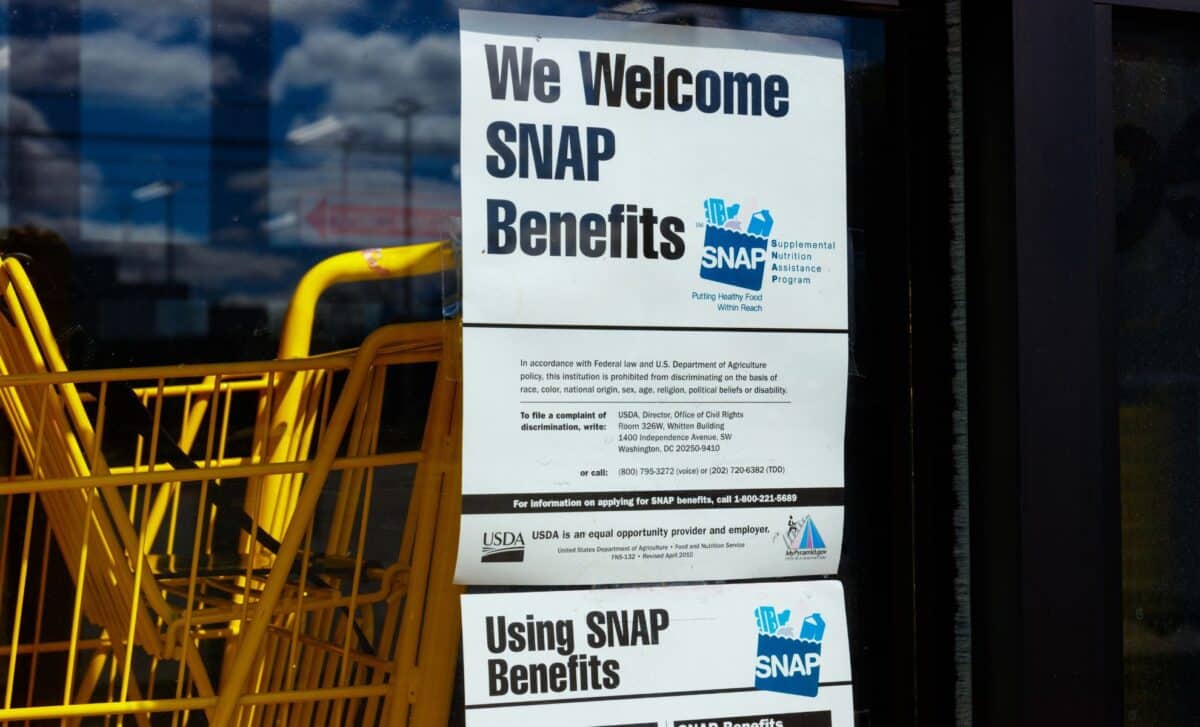
For ABAWDs, the new rules will limit their eligibility to only three months of benefits within a three-year period unless they meet specific work exemptions. One of the key changes is that the age for an exemption has increased from 59 to 65. This adjustment means that older individuals may no longer qualify for benefits unless they are at least 65.
Additionally, exemptions for parents of dependent children will now apply only to those with children under 14, down from the previous age limit of 18. Furthermore, exemptions for veterans, unhoused individuals, and young adults who aged out of foster care (up to age 24) have been removed.
These changes are expected to impact large numbers of people, particularly in Oregon, where nearly 313,000 SNAP recipients are projected to lose benefits due to the new rules.
Additionally, the eligibility for households receiving utility assistance has become more restrictive. Now, at least one member of the household must be elderly or have a disability to qualify for this assistance, further limiting access to full benefits for certain groups.
SNAP Benefit Amounts and Cost of Living Adjustments
Despite these cutbacks, some SNAP recipients will see a slight increase in their benefits. The maximum monthly allotment has been adjusted for inflation, resulting in an increase of up to $33 per month for some households. For example, a one-person household can now receive up to $298, while a two-person household may see their monthly benefits rise to $546.
Larger households will also benefit from the increases, with a four-person household receiving up to $994, and the largest households (eight people) seeing an increase of $33, reaching a cap of $1,789.
However, these increases are unlikely to offset the loss of benefits for those who are newly ineligible under the revised program rules. The future of SNAP remains uncertain as the government shutdown continues, and recipients are left hoping for clarity and action from lawmakers. If the shutdown persists, more disruptions could follow, leaving millions of Americans in a precarious situation.