

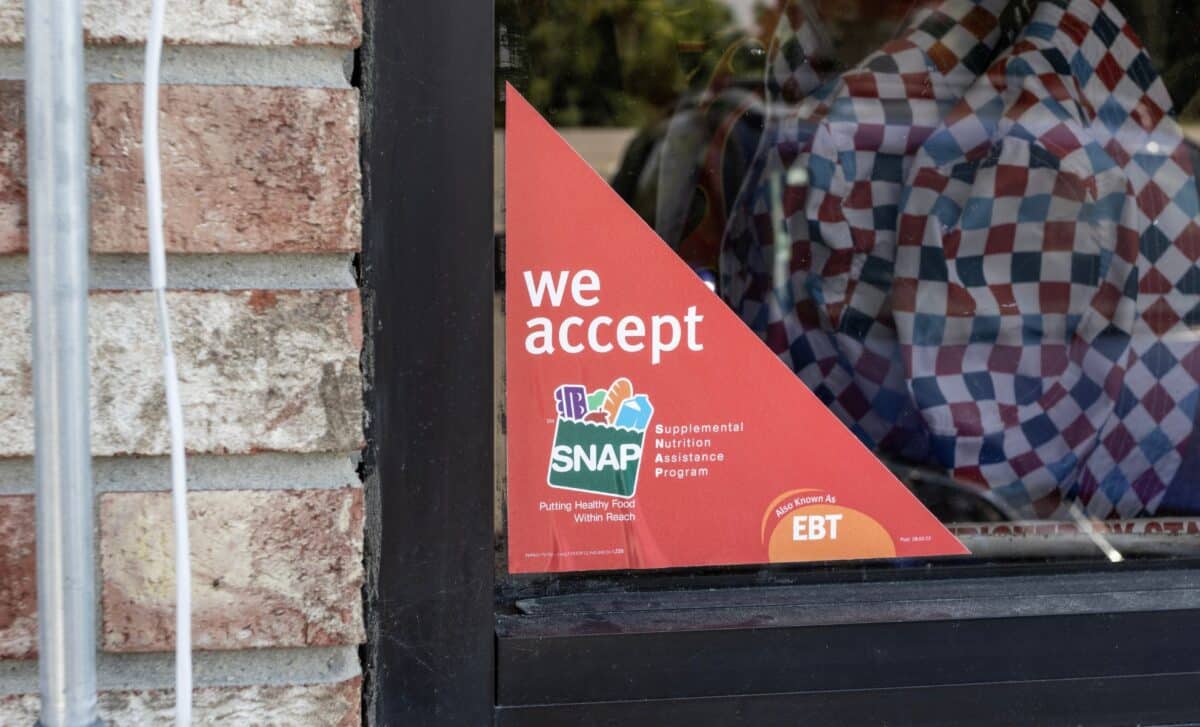
Starting on October 1, 2025, millions of families in the United States will see changes in their Supplemental Nutrition Assistance Program (SNAP) benefits. These updates, driven by the annual cost-of-living adjustment (COLA), are designed to help households keep up with the increasing cost of living.
Among the changes, some families will receive slightly higher monthly assistance, while others may find themselves subject to new eligibility rules or work requirements. According to Marca, these adjustments are part of broader efforts to ensure that the program continues to meet the needs of low-income families. This article explores the key updates, who will be impacted, and what they mean for future benefits.
Monthly Benefit Increases: How Much Extra Will You Get?
The upcoming changes to SNAP benefits will bring small but impactful increases in monthly assistance. For instance, the benefit for a household of four will rise from $975 to $994 per month, a $19 increase.
Similarly, a household of eight will see their benefits increase from $1,756 to $1,789, which is an additional $33 per month. These adjustments are designed to reflect the rising costs of food, though they may not completely cover the increased expenses many families face.
Additionally, the minimum monthly benefit will rise by $1, from $23 to $24, providing a bit more relief for the smallest households. For families living in higher-cost regions like Alaska, Hawaii, and U.S. territories, the increase is even more significant. For example, a family of four in Alaska could receive between $1,278 and $1,995 per month depending on their specific location. This regional difference helps address the higher cost of food in these areas.
Adjusted Income Limits and Deductions: Who Is Now Eligible for SNAP?
In line with the benefit increases, SNAP is also adjusting its eligibility rules to allow more families to qualify for assistance. For example, the income limits for a household of four will now allow a gross monthly income of up to $3,483 (up from $3,380) and a net monthly income of up to $2,680 (up from $2,600).
This increase in the income thresholds will enable more families to access support, though it will not be a game-changer for everyone in need.
Moreover, standard deductions for households will also see slight increases. For example, households with three members will see their standard deduction rise from $204 to $209, and for families with six or more members, the deduction will go from $291 to $299.
These adjustments help ensure that families are better able to meet the rising costs of living, though, for many, the benefit will still be modest in the face of inflation.
Stricter Work Requirements and Reduced Flexibility
One of the most controversial changes coming to SNAP is the expansion of work requirements. Under the new rules, adults without children aged 55 to 64 will now be required to work at least 20 hours per week or participate in job training programs to continue receiving SNAP benefits.
Previously, this work requirement applied only to adults between the ages of 18 and 54. This expansion is expected to impact over 1.2 million individuals, many of whom are already struggling to find steady work.
Other groups, including parents with children over 14, veterans, homeless individuals, and former foster youth, will also face new work requirements to maintain their eligibility. This tightening of requirements will make it more difficult for some families to access food assistance.
Moreover, the removal of the Standard Utility Allowance (SUA) for households without elderly or disabled members means that families will have to submit actual utility bills. If their utility costs are lower than previous estimates, their SNAP benefits may be reduced. This shift makes the program less flexible and potentially reduces benefits for many.