
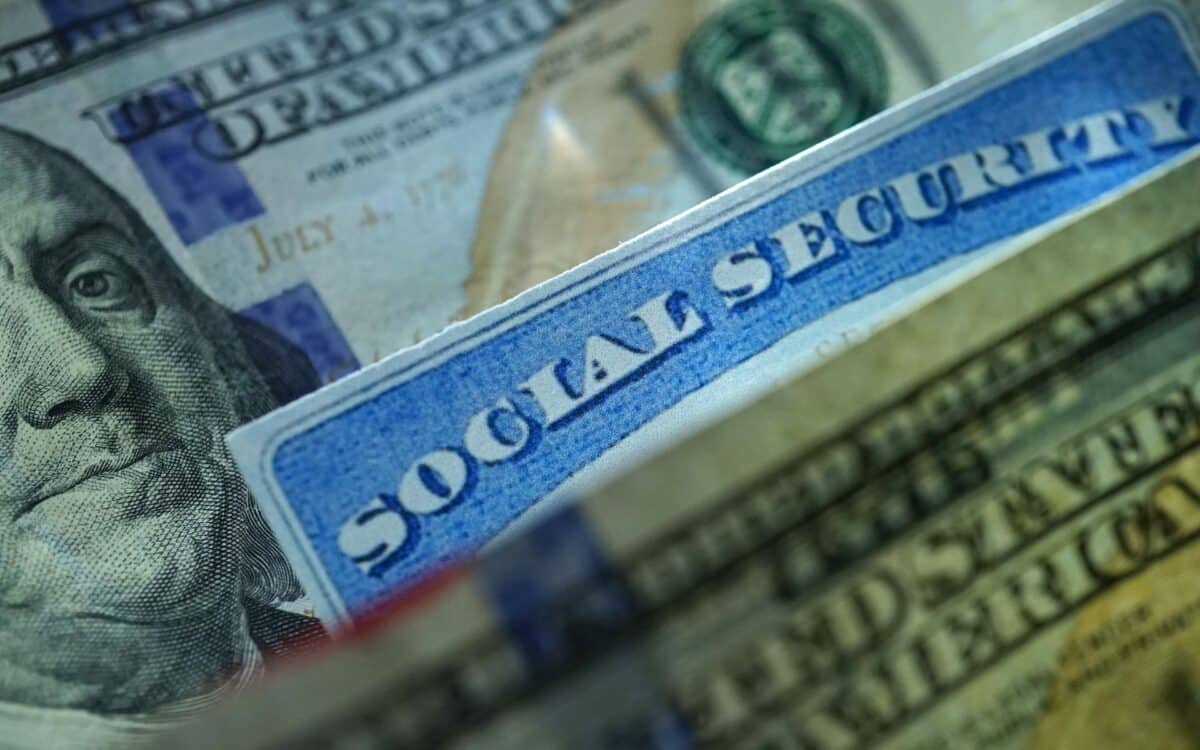
In October 2025, a significant change is underway in the distribution of Social Security benefits. The U.S. Treasury’s new policy, confirmed through an executive order in March 2025, officially went into effect on September 30, 2025. This rule, as reported by The US Sun, ends the issuance of paper checks for federal programs, including Social Security payments.
The shift, which affects approximately 74 million recipients nationwide, aims to streamline and modernize the payment process. Starting October 8, Social Security beneficiaries will begin receiving their payments digitally, marking a major step toward eliminating physical checks.
End of Paper Checks: Why Social Security Is Going Digital
The shift away from paper checks is a major change that has been years in the making. As of September 30, 2025, the U.S. Treasury officially ended its practice of mailing paper checks for federal programs, including Social Security. For most recipients, this means payments will now arrive via direct deposit or a prepaid debit card.
The decision to eliminate paper checks is driven by several factors, most notably the significant cost savings for the government. The Treasury estimates that by cutting paper checks, the government could save up to $750 million annually. Additionally, paper checks are far more vulnerable to loss, theft, and fraud, with reports indicating they are 16 times more likely to be lost or stolen than digital payments.
The Social Security Administration (SSA) has been communicating with recipients since July 1, 2025, ensuring that those affected by the change have ample time to transition. Around 400,000 recipients who previously received paper checks are directly impacted by this rule change. However, as the SSA spokesperson noted, less than one percent of recipients were still receiving paper checks as of the transition deadline, and the agency worked diligently to ensure these individuals had time to enroll in electronic payment methods.
How to Switch to Digital Payments: Important Steps to Take
For recipients who have not yet switched to electronic payments, it’s crucial to act quickly. The SSA has made the process straightforward, with multiple options available for setting up direct deposit. The most efficient way to do this is by logging into a My SSA account on the SSA website, where users can easily input their banking details to begin receiving payments electronically.
Alternatively, recipients without a bank account can sign up for a Direct Express Prepaid Debit Card, which works like a standard debit card and does not require a credit check. This card can be used for everyday purchases or to withdraw cash, providing a secure and accessible option for those without banking services.
If individuals are unfamiliar with the online process, the SSA’s toll-free number (1-800-772-1213) is available for support, or recipients can visit the Go Direct website, which offers guidance on setting up electronic payments. Although it’s possible to fill out a paper form and mail it to the SSA, this method could lead to delays, so it’s recommended to register online or over the phone to avoid disruption in payments.
The Financial and Security Benefits of Going Digital
The shift to digital payments not only saves the government money, but it also addresses significant security concerns. Paper checks are highly vulnerable to fraud and tampering, which poses a risk to both recipients and the system. As noted by the SSA, digital payments are far more secure and less likely to be lost or stolen.
In fact, paper checks are 16 times more likely to be reported lost or stolen than digital payments, and they are also more susceptible to fraud. These concerns are part of the broader initiative to modernize the way Social Security benefits are delivered, improving both efficiency and security.
This change is also seen as a response to the looming financial challenges facing the Social Security system. The SSA is facing a future where its funds could be depleted within the next few years. Some members of Congress have already proposed plans to address the funding gap, but until those measures are implemented, the government is focused on cutting waste and improving systems, such as eliminating costly paper checks.