Thousands of Florida residents will receive their Supplemental Nutrition Assistance Program (SNAP) payments between 1 and 7 September. Distribution depends on a specific number combination in the beneficiary’s case file.
As rising food prices continue to pressure low-income households, Florida’s Department of Children and Families (DCF) is preparing to disburse early-month SNAP payments based on a state-regulated schedule.
How Florida’s SNAP Payment Calendar Works
The Supplemental Nutrition Assistance Program (SNAP), a federally funded scheme, provides monthly food support to qualifying households. In Florida, the program is managed by the Department of Children and Families (DCF), which distributes benefits across the first 28 days of each month, based on each case number’s eighth and ninth digits.
According to the Florida DCF, recipients with case number digits ranging from 00 to 24 are scheduled to receive their benefits between 1 and 7 September 2025, following this calendar:
- 00–03: 1 September
- 04–06: 2 September
- 07–10: 3 September
- 11–13: 4 September
- 14–17: 5 September
- 18–20: 6 September
- 21–24: 7 September
Those falling within this range will see funds transferred to their Electronic Benefit Transfer (EBT) cards on their designated date. All others will receive their benefits between 8 and 28 September, according to a continuation of this numerical sequence.
Florida is one of several states that staggers SNAP payments across nearly the entire month to manage transaction volumes and supermarket demand. This system is part of broader state-level flexibility granted under federal SNAP regulations.
Items Covered – And Prohibited – Under SNAP Benefits
SNAP benefits are restricted to approved food items, and recipients are not permitted to use the funds for non-eligible products. According to the guidelines set by the United States Department of Agriculture (USDA), SNAP funds can be used to purchase:
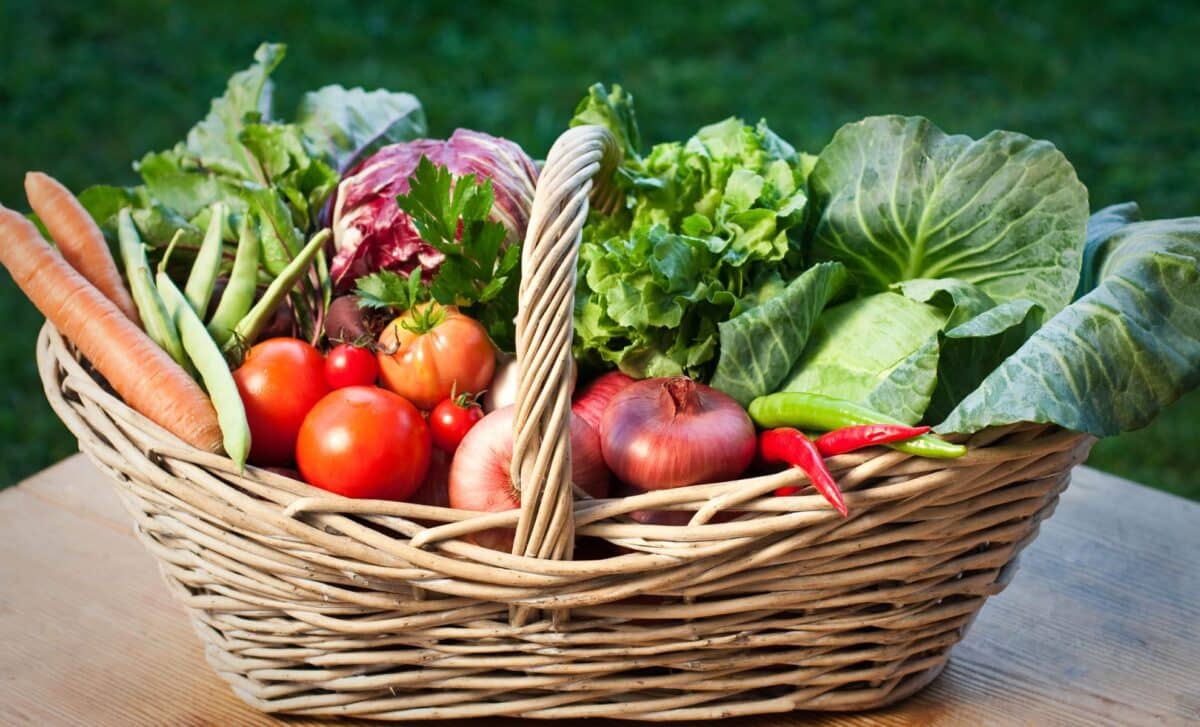
- Fruits and vegetables
- Meat, poultry, fish
- Dairy products
- Breads and cereals
- Non-alcoholic beverages
- Seeds and plants producing food
Not eligible for purchase, however, are:
- Alcohol or tobacco
- Vitamins, medicines and supplements
- Live animals (with rare exceptions)
- Hot, prepared foods
- Non-food household items, including cleaning supplies and toiletries
SNAP continues to play a vital role in reducing food insecurity across the state. In Florida alone, millions of residents rely on these monthly benefits to maintain basic nutritional needs. According to DCF reports, the structured distribution schedule aims to ensure smooth and predictable access for families, while preventing system overloads and helping grocers manage inventory flows more effectively.