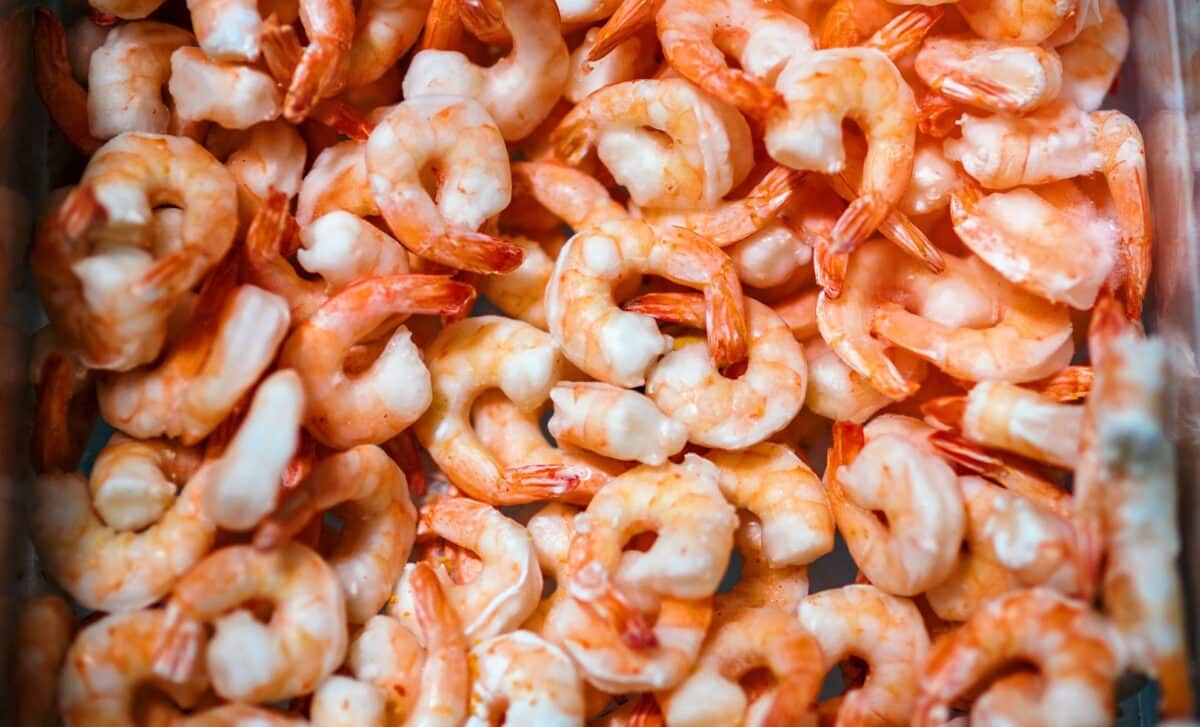
In a growing concern over food safety, two separate recalls of frozen shrimp have been issued after the potential contamination of Cesium-137 (Cs-137), a radioactive substance. The recall includes products distributed across the United States, with officials urging consumers to dispose of or return the shrimp for a full refund.
The U.S. Food and Drug Administration (FDA) and the Environmental Protection Agency (EPA) are investigating the issue, which could pose a serious health risk. Health officials have raised concerns about the possible cancer risks associated with prolonged exposure to Cs-137, though no illnesses have been reported to date.
Two Major Recalls: Southwind Foods and PT. Bahari Makmur Sejati
Southwind Foods, based in California, announced a voluntary recall of a “limited quantity” of its frozen shrimp after discovering potential exposure to Cs-137. According to the FDA, the affected products were distributed between July 17 and August 8 to various retailers, distributors, and wholesalers across several U.S. states, including California, Pennsylvania, and Virginia.
The brands included in the recall are Sand Bar, Best Yet, Arctic Shores, and Great American Seafood, among others. Southwind Foods has not yet revealed how the contamination occurred, nor which specific retailers sold the affected products. Consumers are urged to return any purchased shrimp to the point of sale or discard the items immediately.
This recall follows another incident earlier this week involving Indonesian company PT. Bahari Makmur Sejati, known as BMS Food. The company’s shrimp, sold at Walmart stores in 13 states, including Florida, Texas, and Pennsylvania, was found to have potentially been exposed to radioactive material during shipping. The contaminated shrimp were flagged by U.S. Customs and Border Protection, which alerted the FDA after detecting Cs-137 in shipping containers.
What is Cesium-137 and the Health Risks Involved?
Cesium-137 is a radioactive isotope commonly used in medical devices and industrial gauges. While exposure to small amounts is typically not harmful, prolonged or repeated exposure to Cs-137 can lead to significant health risks. According to the FDA, even low doses of the substance can damage DNA within cells, potentially increasing the risk of cancer.
The FDA’s investigation into both recalls has thus far not indicated that Cs-137 levels in the shrimp exceed safety limits. The agency confirmed that products tested for Cs-137 have not surpassed the 1,200 Bq/kg threshold established for food safety. However, health officials warned that the combined effects of Cs-137 in contaminated shrimp, along with exposure from environmental or medical sources, could pose a potential health concern.
Although no illnesses have been reported, the FDA continues to advise consumers who purchased the affected shrimp to dispose of them immediately and seek medical advice if they suspect exposure.