Food allergen mislabelling remains a serious issue, as highlighted by the recent recall of thousands of ramen noodle packages in California. The oversight by Kobayashi Noodle USA failed to include soy as a source of lecithin, putting consumers with soy allergies at risk. With the FDA’s classification of this recall as a Class II event, the company’s mistake raises questions about the vigilance required to protect consumers from allergic reactions, stressing the need for stricter adherence to labelling laws.
FDA Issues Class II Recall Amid Allergen Risk
Kobayashi Noodle USA has recalled 3,745 cases of its Raw Ramen Noodle product, distributed in California, following a labelling oversight that failed to identify soy as the source of lecithin. This recall, announced by the U.S. Food and Drug Administration (FDA) on August 5, carries a Class II risk classification, signifying a moderate hazard level.
The recall stems from a failure in correctly labelling soy as a major allergen in the ingredient list. Soy, one of the eight major allergens legally required to be disclosed on food packaging, poses a significant health risk to those with allergies. Although the risk of severe consequences is minimal, consumers with soy sensitivities may experience temporary or reversible adverse health effects, according to the FDA.
Recall Affects Specific Product Batches
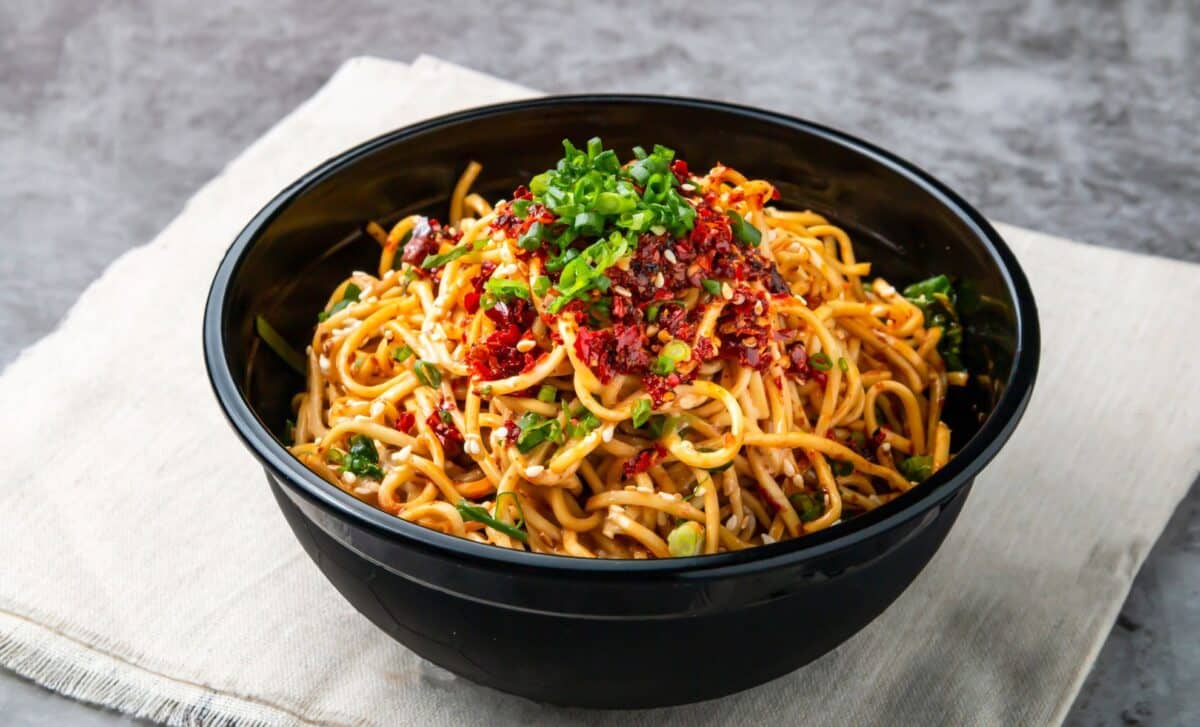
The recall pertains to raw ramen noodles packaged in 10-lb bulk boxes with generic labels, specifically identified as Raw Ramen Noodle HA #22W (16049) and Raw Ramen Noodle HA #22W (4942). Affected lot numbers include 911, 916, 919, and others spanning from Lot #893 to Lot #951, according to the FDA. Two distinct batches—totaling 945 and 2,800 cases, respectively—are subject to the recall.
This oversight was identified through routine product testing, a common trigger for such recalls, as reported by food safety expert Darin Detwiler. According to Detwiler, “Such recalls are often triggered by supplier notifications or routine product testing, with common causes being reports of allergic reactions or the discovery of undeclared allergens upon reviewing ingredient lists.” While no serious health incidents have been reported yet, the potential for allergic reactions remains a significant concern.
The Importance of Allergen Labelling
The failure to disclose soy as an ingredient highlights the importance of accurate labelling in preventing allergic reactions. In the U.S., food manufacturers are legally bound to list the presence of the eight major allergens, including soybeans, milk, eggs, fish, shellfish, peanuts, tree nuts, and sesame. The omission of soy from the product label could have severe consequences for consumers who rely on these labels to make informed purchasing decisions.
As of now, the recall is ongoing, and affected consumers are advised to check packaging for the listed lot numbers. The FDA continues to monitor the situation to prevent further health risks.