The Trump administration is seeking to overhaul a key student debt relief program by disqualifying workers employed by organizations accused of violating federal law or undermining national interests. The proposed rule could force affected borrowers to change jobs to remain eligible for relief.
Unveiled by the Department of Education on Monday, the draft regulation would amend the Public Service Loan Forgiveness (PSLF) program, which forgives federal student debt for public workers after ten years of qualifying payments. Critics argue the changes risk politicizing the system and penalizing public servants based on their employers’ missions.
New Criteria Would Tie Loan Relief Eligibility to Employer Conduct
The proposed regulation would bar borrowers from accessing PSLF benefits if their employer is found to be “undermining national security and American values through illegal means”, according to the Department of Education. Examples listed include “aiding and abetting terrorism”, immigration law violations, or involvement in what the department terms the “chemical and surgical castration or mutilation of children”.
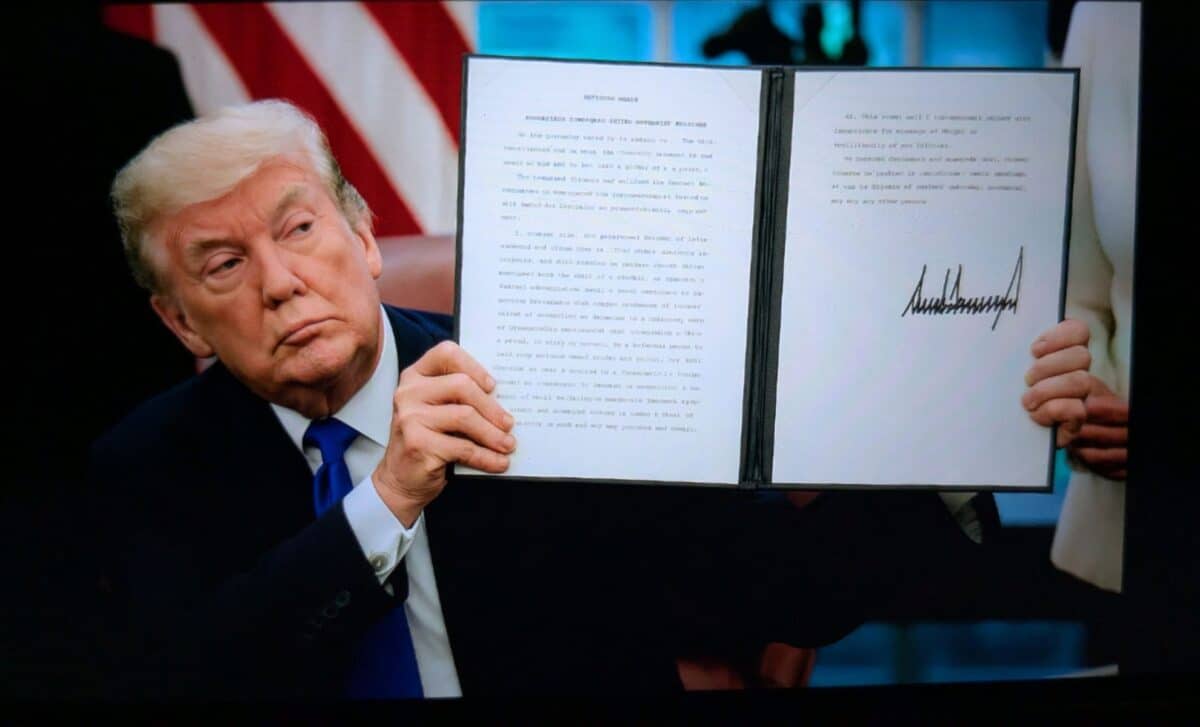
While individuals could retain eligibility by transferring to another employer, the rule could place thousands of public workers in a position of choosing between their job and their financial future. The new measure stems from an executive order issued by President Trump in March, which instructed the department to revise PSLF regulations to align with what the administration describes as the program’s “original purpose”.
According to Under Secretary of Education Nicholas Kent, the intent is to refocus PSLF on supporting public servants “who strengthen their communities and serve the public good”. Introduced in 2007, PSLF was designed to alleviate student debt for employees of government agencies and non-profit organizations under section 501(c)(3).
Criticism Over Broad Authority and Potential Impact on Public Institutions
The proposal has drawn concern from education and civil rights advocates. According to the Student Borrower Protection Center, the draft rule could allow the department to block PSLF access to employees of school districts that teach sensitive historical subjects, healthcare providers offering gender-affirming care, and legal aid groups assisting immigrants.
Speaking during a public hearing in June, Winston Berkman-Breen, the center’s legal director, warned that the new rule would grant the Secretary of Education “broad authority to restrict funding to groups whose work conflicts with the Trump administration’s agenda”.
The department is accepting public feedback on the proposal until 17 September. Final implementation would follow a standard rulemaking process. As of now, the PSLF program continues to serve all government and qualifying non-profit employers.
According to the department, the change is necessary to prevent taxpayer funds from supporting institutions engaged in unlawful or anti-national activities. But legal experts and advocacy groups argue the proposal risks blurring the line between public service and political compliance.