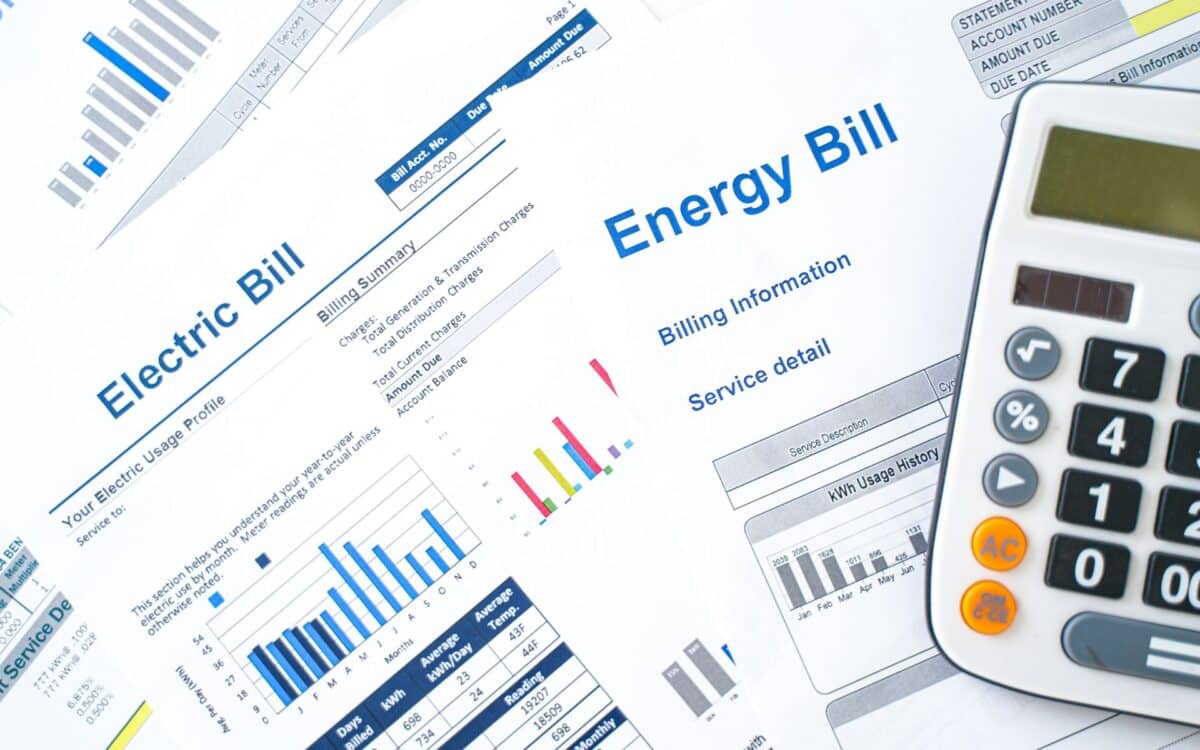
Millions of Americans are set to receive energy bill assistance this summer through a combination of federal and state-level initiatives aimed at providing much-needed relief. Electricity costs have surged to their highest levels in over a decade, impacting many households, particularly those with low income.
To address this growing concern, states such as New Jersey, Texas, Georgia, and California have introduced or expanded assistance programs, offering various forms of financial aid. According to The U.S. Sun, these programs are designed to help ease the pressure of rising costs, preventing residents from falling behind on their utility bills.
Rising Electricity Costs Deepen Seasonal Financial Pressure
According to the National Energy Assistance Directors Association (NEADA), the average household electricity bill from June to September 2025 is expected to reach $784. This marks the steepest seasonal energy bill in the last 12 years, driven by inflation, fuel prices, increased grid investments, and higher energy demand during peak summer months.
For many low-income Americans, the rising costs translate to an increased risk of service disconnection, leaving families vulnerable to extreme heat events. In response, multiple aid programs are stepping in to provide financial relief.
Federal Backbone: LIHEAP Continues to Support Households Nationwide
The Low Income Home Energy Assistance Program (LIHEAP) remains the primary federal support structure for energy affordability. Available across all U.S. states and territories, LIHEAP offers bill payment assistance and emergency energy support, especially during periods of high heating or cooling demand. This program is available nationally, helping low-income households across the entire country manage their energy bills.
While LIHEAP operates nationally, several states have developed localized programs to supplement federal funds and address specific regional challenges.
New Jersey Deploys Automatic Summer Credits
In New Jersey, the Residential Energy Assistance Payment (REAP) program, launched in 2024, is offering automatic utility credits totaling $175 this summer. Eligible households—identified through prior enrollment in the Winter Termination Program—receive seven monthly credits of $25, starting August 1.
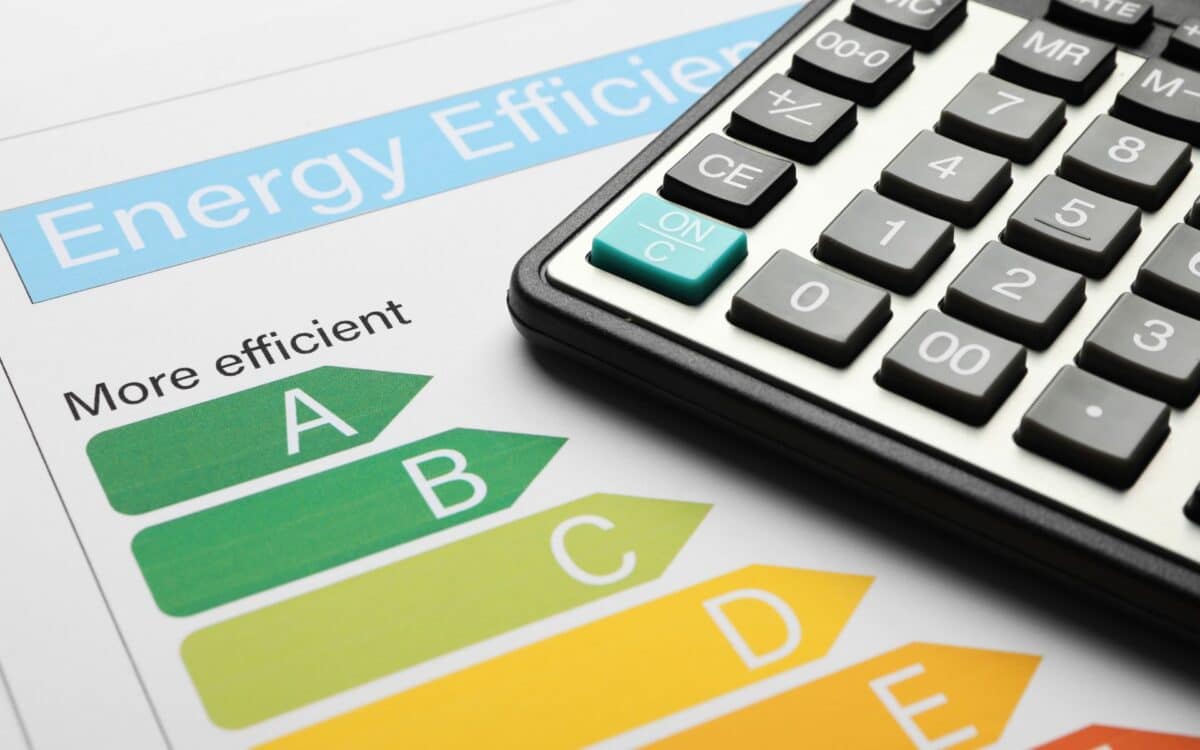
This initiative requires no application, as eligibility has been pre-determined by utility companies based on historical data. The program provides an added layer of security by ensuring continued service during critical temperature months, helping residents avoid having their energy bills cut off during the winter. (Image credit: Canva)
Texas Provides Up to $2,400 Through CEAP
In Texas, the Comprehensive Energy Assistance Program (CEAP) is offering significant annual aid, with benefits reaching up to $2,400 for households at or below 50% of the federal poverty line.
CEAP assistance scales according to income level:
- 0–50% of poverty line: up to $2,400
- 51–75%: up to $2,300
- 76–150%: up to $2,200
These figures reflect the program’s objective to cover both peak summer cooling needs and emergency services, such as repairing essential appliances or addressing service disconnections during hazardous conditions. The CEAP aims to provide more than just a small monthly discount, offering energy bill assistance on a larger scale to help low-income families manage their energy bills in an extreme climate.
Georgia Expands Discounts for Electric Bills
In Georgia, residents below 200% of the Federal Poverty Guidelines can receive monthly utility bill discounts of $33.50, totaling $402 per year. This initiative is open to Georgia Power customers and applies only to metered electric service and fuel cost recovery charges. The program does not cover sales taxes or other components of the bill.
Launched in May 2024, the program now includes additional groups such as senior citizens and SSI recipients, making it more accessible to vulnerable populations. This initiative helps Georgia residents significantly lower their electricity bills, particularly during times of high energy demand.
California Emphasizes Emergency Response Programs
California is addressing the energy affordability gap through targeted, utility-specific programs. For instance:
- The Energy Assistance Fund (EAF), administered by Southern California Edison (SCE), offers one-time payments of up to $200, or $300 for all-electric households.
- The REACH program, managed by PG&E, provides a one-time credit of up to $300 for customers facing disconnection notices.
These emergency funds are designed to prevent service loss and stabilize households in the face of rising energy bills. For households that rely solely on electricity, the additional assistance is crucial in ensuring that their energy bills remain manageable during extreme conditions.