The $50.1 billion budget comes after months of negotiations between state lawmakers, and includes major investments in education, workforce development, and tax relief. For many families in Pennsylvania, the new tax credit is a lifeline that could help ease financial strain, particularly at a time when inflation continues to hit household budgets.
New Earned Income Tax Credit Provides Immediate Relief
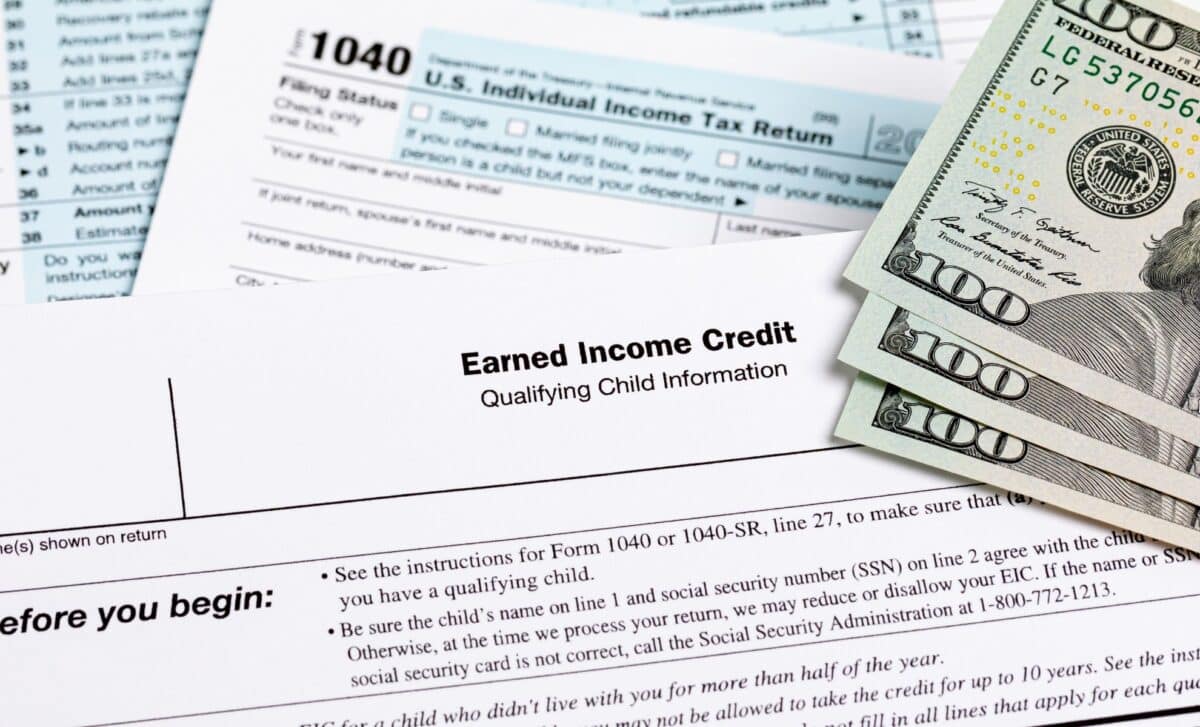
The new Working Pennsylvanians Tax Credit offers a state-level earned income tax credit worth 10% of the federal credit, providing financial relief to households with lower and middle incomes. According to Governor Shapiro, nearly 940,000 Pennsylvania residents are expected to qualify for the tax cut, which is projected to amount to $193 million in the first year alone.
The amount of relief that eligible families can receive depends on factors such as income and the number of dependents. In some cases, families could see up to $805 in state tax relief. This measure aims to address income inequality by supporting working families who may not benefit from traditional welfare programs but still face the pressures of rising living costs.
For Shapiro, this initiative is part of a broader agenda focused on increasing economic opportunity across the state. This budget will fuel “Pennsylvania’s rise by investing in great schools and creating more opportunity for our children, by expanding our workforce and growing Pennsylvania’s economy, by cutting taxes and reducing costs for Pennsylvanians who work so hard.” the Governor remarked during the signing of the budget.
Education and Workforce Investments
Alongside the tax credit, the budget allocates more than $900 million towards pre-K through 12 public education, addressing long-standing disparities in school funding. Of this, $565 million will be distributed through an adequacy funding formula, which ensures that resources are directed to districts with the greatest need. This investment is designed to enhance the quality of education in underfunded areas, ensuring that every child has access to the tools they need to succeed.
Additionally, the budget addresses workforce challenges with a $25 million investment in child care recruitment and retention. This funding is aimed at alleviating the critical shortage of child care providers, an issue that has hindered many working parents, particularly women, from participating fully in the workforce. Another $21 million has been earmarked to support vulnerable populations, including seniors and those relying on food assistance programs, further solidifying the state’s commitment to social safety nets.
Governor Shapiro’s budget sets the stage for significant structural changes in Pennsylvania, with a clear emphasis on bolstering the workforce and securing a stable future for its youngest residents. As debates over public spending continue across the nation, Pennsylvania’s latest fiscal plan offers a rare example of bipartisan cooperation aimed at improving lives on the ground level.